













That feeling in the pit of your stomach when you visit your aging parent – the unspoken worry that things aren't quite right. Maybe you notice the fridge is nearly empty, find forgotten bills piling up, or see a new bruise they can't explain. These moments are more than isolated concerns; they are subtle signals that the independence they cherish may be quietly slipping away.
Ignoring these signs is easy, but addressing them is an act of profound love. Recognizing the six key indicators that it might be time to consider senior care isn't about giving up on them; it's about stepping up to ensure their safety, health, and quality of life. This guide will help you translate your worry into a clear, compassionate plan.
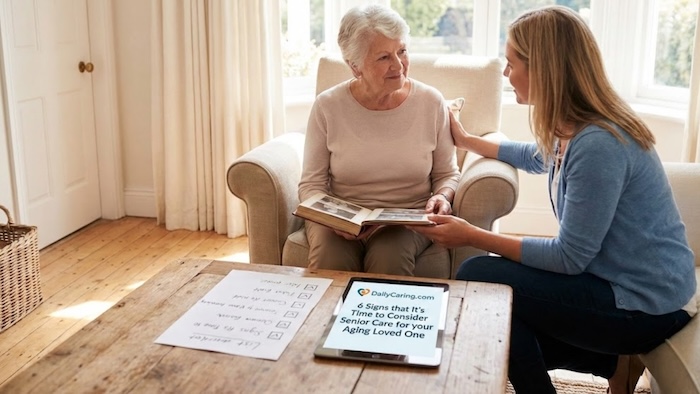
Understanding and making decisions about care options for your older adult can be overwhelming. All Home Care Matters shares six common signs that your older adult needs more care and explains the three main types of senior care options.
Determining when it's time to seek out care options, whether that means in-home care, assisted living, or another form of senior care, can be an overwhelming task.
The internal struggle between emotion and logic is common among many family members as they grapple with the decision to place their loved one in another person’s care.
But when it comes to the safety and well-being of our older family members, it's essential to be proactive and make informed decisions.
Whether you have already begun the search for senior care or are simply preparing for the future, this article can help you recognize when it is time.
Below, we’ll explore 6 of the most common signs that your family member is ready for more substantial care and discuss the three main senior care options to consider.
6 Top Signs That an Older Adult Needs Additional Care
1. Changes in physical health
One of the most evident signs that it’s likely time to find care is witnessing changes in their physical health.
This could include mobility difficulties, chronic pain, or new medical diagnoses.
If you notice they are having trouble getting around their home, using the bathroom, or performing other activities of daily living, it may be time to consider professional assistance.
This can help ensure that they have the support and assistance they need to stay safe and comfortable.
2. Changes in mental health
In addition to physical health changes, changes in cognitive ability or mental health are also signs that it's time for more regular care.
You may witness symptoms of depression or anxiety, confusion, forgetfulness, or general cognitive decline.
If you observe that your loved one is having trouble remembering things or getting confused easily, it may be wise to begin researching memory care or another type of senior care that specializes in providing support for individuals with dementia or Alzheimer's disease.
3. Increased isolation
As people age, they often become more isolated. In fact, approximately 43% of adults aged 65 or older report feeling lonely regularly.
We know that social isolation can have severe negative impacts on mental and physical health, not to mention the emotional impact.
If you notice that your loved one is spending more time alone than usual, making comments about their loneliness, or beginning to withdraw, it may be time to consider a care option that provides vital socialization and companionship.
4. Safety concerns
Any safety concerns are another significant factor to consider.
Experiencing frequent falls, leaving the stove on, or forgetting to take essential medications are all red flags that can become dangerous without intervention.
Exploring care options that provide the necessary support will help protect them from accidental harm.
5. Caregiver burnout
Another personal factor to consider is caregiver burnout.
Caregivers often experience stress, anxiety, and exhaustion as they try to juggle their own responsibilities with the demands of caregiving.
If you're a caregiver for a family member and experiencing burnout, it's crucial to recognize that you may no longer be able to provide the level of care your loved one needs.
6. Financial considerations
Finally, you’ll need to consider the financial implications of senior care.
In-home care, assisted living, and most other care options can be costly, so it's essential to carefully evaluate your financial situation before making a decision.
However, it's also essential to consider the long-term costs of not seeking out care.
For example, if they experience a fall or other medical emergency due to a lack of needed support, the costs of hospitalization and rehabilitation can be immense.
3 Main Types of Senior Care to Consider for Most Aging Loved Ones
When it comes to finding senior care, there are three main options to consider.
1. In-home Care
This type of care can be a good choice for individuals who want to remain in their own homes but need extra support with daily living.
This often includes assistance with bathing, dressing, cooking, and medication management.
In-home care can also provide companionship, which is beneficial for those experiencing feelings of isolation.
2. Assisted living
Assisted living is another option to consider. These care communities provide a range of services and amenities, including meals, housekeeping, and transportation.
Many also offer social activities and events, allowing residents to stay active and engaged.
Assisted living can be a good choice for individuals who need a higher level of care than can be provided at home, but who still want to maintain some independence.
3. Memory care
This type of care is specifically designed for individuals with dementia or Alzheimer's disease.
Memory care communities provide a secure, supportive environment for individuals with memory loss, with specialized programs and services tailored to their unique needs.
Explore options and consider advice from caregiving experts
Ultimately, the decision to find care for your aging loved one is personal and will depend on their needs and your resources and capabilities.
If possible, involve your loved one in the decision-making process and explore all of your options before making a final decision.
If you're not sure where to start, consider reaching out to a professional care advisor or senior care consultant.
They can provide guidance and support as you navigate the multifaceted world of care, helping you make the right decision that best meets your older adult’s needs.
Final Thoughts on Senior Care for Aging Loved Ones
Acknowledging that a loved one needs more help is one of the most difficult and courageous decisions a family can make. These six signs are not a verdict, but a roadmap. A way to move from anxiety and reaction to proactive, loving planning.
Seeking senior care is not a failure; it is a strategic choice to provide the specialized support that preserves their dignity and protects their well-being. By taking this step, you are not replacing your care; you are enhancing it with professional resources, ensuring your loved one can thrive in a safe, supportive environment.
Let this knowledge empower you to start the conversation, explore options with confidence, and ultimately provide the peace of mind that comes from knowing they are cared for, every single day.
Recommended for you:
- 3 Tips to Choose Between Assisted Living vs In-Home Care
- 7 Senior Housing Options: Which One Works Best?
- When They Say No: 8 Ways to Introduce In-Home Care for Seniors
Guest contributor: Lance A. Slatton is a senior case manager at Enriched Life Home Care Services in Livonia, MI. He is also the host of the podcast All Home Care Matters, a must-listen podcast and YouTube channel, whether you’re a caregiver looking to enhance your knowledge and skills or simply seeking to learn more about dementia home care.
References:
– Actualizing Better Health And Health Care For Older Adults, HealthAffairs
– Share of old age population (65 years and older) in the total U.S. population from 1950 to 2050, Statista
About the Author

Lance A. Slatton CSCM – Known as “The Senior Care Influencer” is a Writer, Author, Influencer, and Healthcare professional with over 20 years in the healthcare industry. He is a senior case manager at Enriched Life Home Care Services in Livonia, MI. Lance A. Slatton is also the host of the award-winning podcast & YouTube channel All Home Care Matters.