












Effective communication with older adults is often the cornerstone of compassionate caregiving, yet it can be one of the most challenging skills to master. Whether navigating the cognitive changes of dementia, hearing loss, or simply bridging generational differences, finding the right approach requires patience, empathy, and tailored strategies.
This guide provides personalized advice, helping you move beyond generic tips to discover communication methods that genuinely connect with your unique senior loved one. By understanding their individual needs and preferences, you can transform daily interactions, reduce frustration, and build a deeper, more meaningful relationship that honors their dignity and perspective.
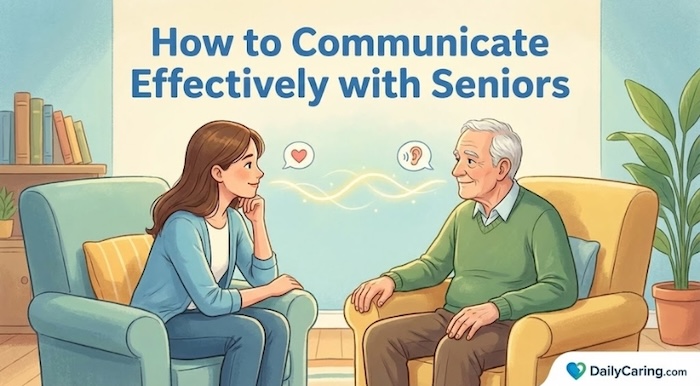
Communicating with seniors is essential, but can be frustrating
Caring for an older adult is all about communication.
It’s essential to talk with them about significant changes in their life – health, finances, living situation, legal documents, and more.
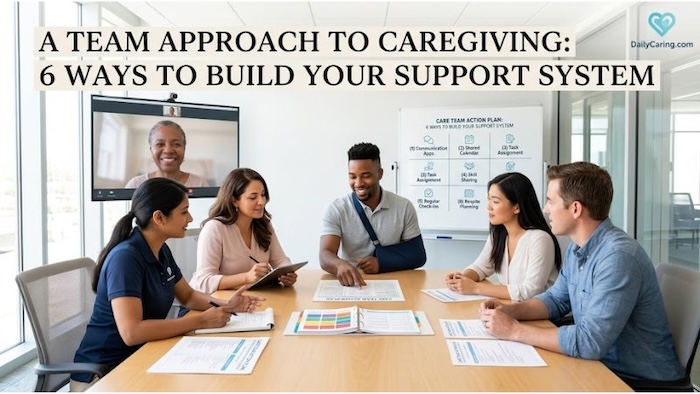
It’s also essential to involve other family members in these discussions.
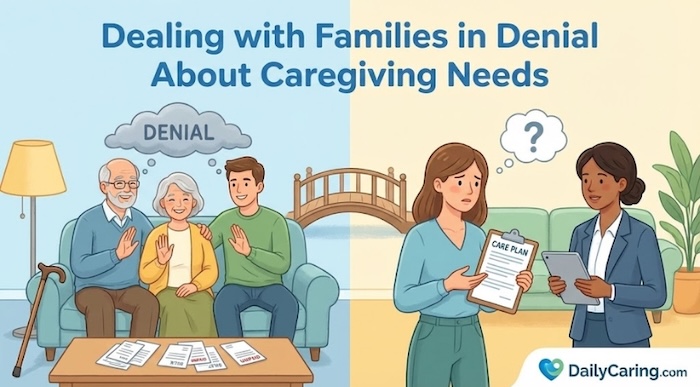
But these sensitive topics can easily cause disagreements or put them on the defensive. That makes it challenging to have productive conversations.
To reduce arguments and improve discussions, it’s necessary to communicate in a way that elicits the best response.
We found a helpful free quiz from the Institute on Aging that helps you identify communication styles and offers tips on adjusting your style to work more effectively with others.
We explain why understanding communication styles helps in communicating effectively with seniors, how the quiz works, and how to use the quiz results.
Understanding communication styles makes conversations easier
The free online quiz covers four primary communication styles: Assertor, Contemplator, Demonstrator, and Narrator.
These styles describe how people communicate with others, solve problems, and manage stress.
Understanding your older adult’s style helps you adapt how you say things, making them more likely to listen.
Plus, you’ll find out how to avoid communicating in ways that might rub your older adult the wrong way, regardless of the subject.
For example, will they respond better if you speak more generally, or would they prefer to hear specifics? Do you need to get to the point quickly, or is it better to go slowly and share feelings first?
If your older adult is open to it, you could ask them to take the quiz with you so you can discuss the results and improve your communication.
How to take the communication style quiz
The quick quiz has two columns of the same 12 brief questions.
One column is for you to answer. In the second column, choose the answers that best represent your older adult.
When you finish answering the questions, click the “Click Here for Results” button at the bottom. (You won’t see that button until you fill in all the answers.)
Use quiz results for communicating effectively with seniors
Your and your older adult’s communication styles will be displayed at the bottom of each question column.
Click on each of them to learn how that style works and to get helpful advice.
For your older adult’s style, you’ll identify what might make communication more difficult for them.
You’ll also get tips on how to encourage them to talk about tough subjects and more specific advice to guide you when talking about health issues, personal needs, and financial matters.
These pointers help you understand why seniors can get touchy about certain things and how to avoid triggering an adverse reaction.
For your own style, you’ll get a description of your communication traits and preferences as well as how those tendencies might affect others.
You’ll also get tips on how to make your style work better with each of the four communication styles.
Final Thoughts on Communicating Effectively with Seniors
Mastering personalized communication is not about finding a single perfect solution, but about committing to an ongoing process of observation, adaptation, and compassion. The insights and strategies you gain through this tailored approach will not only streamline daily caregiving tasks but also foster a more profound sense of connection and respect.
Remember, the goal is to meet your loved one where they are, validate their experiences, and preserve their voice. As you apply these personalized techniques, you will likely find that the quality of your interactions improves significantly, reducing stress for both of you and enriching the precious time you share.
This journey toward more effective communication is ultimately a powerful act of love and understanding.
Next Steps: Take the quiz to find out how to make it easier and more effective to communicate with your older adult
Recommended for you
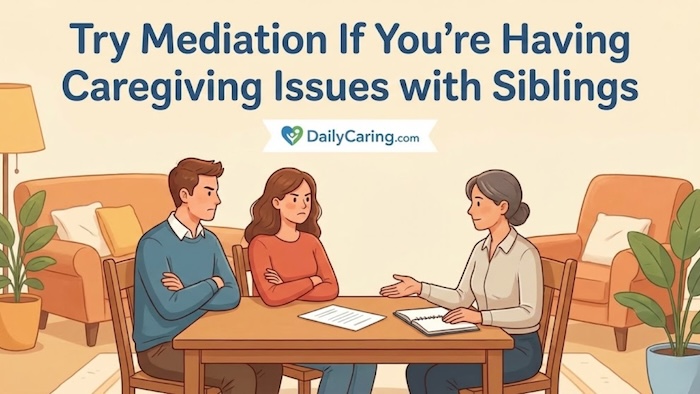
- 3 Tips for Managing Caregiving with Siblings
- How to Communicate With an Aging Parent Who Won’t Listen
- Caregiver Family Meetings: 5 Keys to Success
About the Author

Connie is the founder of DailyCaring.com and was a hands-on caregiver for her grandmother for 20 years. (Grandma made it to 101 years old!) She knows how challenging, overwhelming, and all-consuming caring for an older adult can be. She also understands the importance of support, especially in the form of practical solutions, valuable resources, and self-care tips.