











With many seniors taking multiple medications, it’s common for some to expire and others to be stopped when no longer needed. But how do you dispose of unwanted medication? Caregiver Jess McLean shares tips for safe medication disposal and donation, as well as protecting personal information and donating medical supplies.
It’s not uncommon for medication to go unused, especially when a dose changes or the medicine is only prescribed temporarily, like after a surgical procedure.
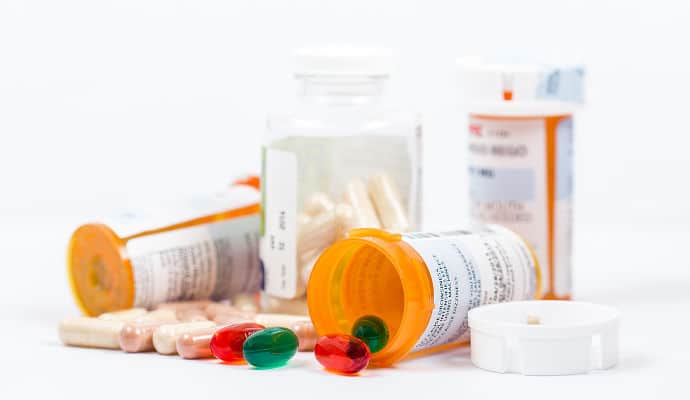
Over time, those unused medication bottles and boxes can pile up.
This creates clutter and increases the chances of confusing medications your older adult should be taking with those that are expired or no longer needed.
This guide explains how to safely dispose of or donate unused medicine, protect your older adult’s identity, and donate medical supplies.
Medication Disposal Strategies
Don’t just throw it out or flush medications down the toilet
It might seem like throwing medicine out, pouring it down the drain, or flushing it down the toilet is a fine idea, but it isn’t recommended for most drugs.
Those methods can lead to environmental contamination and negatively affect aquatic species, groundwater, and other ecosystems.
In fact, animals, or even people, who go through your trash can consume the medicines you throw out and get sick.
The safest way to dispose of medication
The safest and most recommended way to get rid of medicine is through a drug take-back program.
The National Drug Enforcement Administration office holds two national drug take-back days a year – find out about dates and locations here.
Many pharmacies also have drug drop-off bins where you can dispose of old, unused, or unwanted prescriptions year-round.
The DEA has a national site locator tool you can use to enter your zip code and find a drop-off location near you.
If you can’t get to a disposal location, follow these steps for medication disposal
If you must throw out unused medicine, first read the disposal instructions that came with the medicine itself.
If you don’t have the instructions, follow these steps to reduce the risk that others or animals will consume the medicines.
For pills, capsules, and tablets:
Do not crush; place the medication in a resealable plastic bag with a bit of dish soap and water, then shake it up. Let it sit until the medicine is disintegrated.
- Add a substance that will help absorb the contents of the bag, like kitty litter, dirt, or coffee grounds.
- Re-seal it and throw it in the trash.
You can do the same thing for liquid and gel medications, too – pour them into a resealable bag with a bit of dish soap and an absorbent substance, then put the bag in the trash.
Note: There are some medicines the Federal Drug Administration recommends flushing if no take-back options are available to you – click here for a list.
How to donate unused medication
If your loved one recently passed away, you may also be looking for ways to get rid of their leftover medicine as you clean out their belongings.
Knowing how expensive some medicines are, it’s a true shame that people in need may go without because, in most cases, disposal is required and donation isn’t allowed.
However, there may be ways for you to give that medicine to a healthcare provider who can get it to patients in need.
Twenty-one states have operational drug redistribution programs that allow people to donate unused medication to be redistributed to patients in need.
Typically, provisions guide what you can and cannot donate. For example:
- Medicine cannot be considered a “controlled substance.”
- Medicine cannot expire at the time of receipt
- Medicine must be sealed in tamper-proof packaging and unopened
- Medicine cannot be adulterated or misbranded
A pharmacist verifies all donated medicines before their redistribution, and liability protection for donors and recipients is 100% assured.
Your best bet is to talk to your loved one's doctors about donating any unused medicine so it can be redistributed.
You may also want to check whether local medical ministries or public clinics in your region accept donations of medicine.
In most cases, similar guidelines will be in place, and you must drop off the medicine at a clinic, not a general donation center.
To find out if there is a medical ministry near you, try searching online or contacting your local Area Agency on Aging or other senior services agencies for more information.
Protecting identity and personal information
Did you know that someone could potentially get your loved one's name, pharmacy, prescription, and doctor’s information off of one prescription label?
Even with this little bit of information, they could go about committing insurance fraud and prescription fraud, all in your older adult’s name.
To prevent this, the Federal Trade Commission offers recommendations to help protect your medical records and prescriptions from identity fraud.
It’s highly recommended that you remove and shred all prescription labels before disposing of the medication.
If you don’t have a portable shredder at home, you can collect all the prescription labels and take them to your local Office Depot or UPS store to get them securely shredded for a small fee.
If you’re donating unused medicine, the prescription label may include an expiration date. Ask the organization where you’re donating what to do with the label before you remove it from the bottle/packaging.
Donating Medical Supplies
Suppose you have medical supplies that are not prescriptions, such as mobility equipment, incontinence supplies, cleaning supplies, or dental supplies. In that case, you can typically donate them to local aging services programs, medical equipment lending programs, or medical ministries.
These types of organizations help repair and clean equipment, then lend it to community members who need it.
Even already open supplies, like a box of adult diapers or bed pads, can be donated to someone in need through these programs.
Final Thoughts on Proper Medication Disposal
Safely disposing of unused or expired medications is a simple yet profound act of care that protects your loved one, your family, your community, and the environment. It closes the loop on a treatment plan, eliminating the risks of accidental poisoning, misuse, or dangerous interactions.
By taking these few extra steps to use a take-back program or follow FDA disposal guidelines, you're not just cleaning out the medicine cabinet; you're actively fostering a safer home and contributing to public health.
Make this responsible practice a regular part of your caregiving routine; the peace of mind it brings is well worth the effort.
Recommended for you:
- 8 Tips to Avoid Harmful Drug Reactions and Overmedication in Seniors
- 6 Common Medication Problems in Seniors and 6 Ways to Solve Them
- Prevent Dangerous Drug Interactions in Seniors with a Drug Interaction Checker
Guest contributor: Jess McLean is a freelance writer based in Asheville, NC. She was a full-time caregiver for her Mom, Maria, who battled primary progressive MS and epilepsy for over 10 years. In her free time, you can find Jess blogging about caregiving tips, ideas, and solutions at Givea.care
About the Author
Jessica Hegg is a manager at ViveHealth.com. Ms. Hegg was also a full-time caregiver for her Mom who had Primary Progressive MS and Epilepsy. She is a freelance writer with a passion for cooking and lives in Austin, TX with her Mom and her wonderful husband. You can find her personal blog about caregiving tips, ideas, and solutions at Givea.Care.