












Falls are the leading cause of injury among adults over 65, but in 2026, the prevention strategy has evolved. It’s no longer just about removing rugs; it’s about creating a “Safety Net” that combines physical modifications with smart technology.
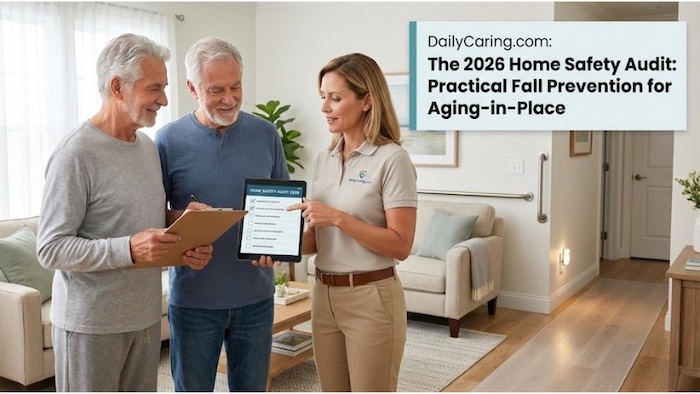
According to the CDC’s STEADI initiative, more than 1 in 4 older adults falls each year. This room-by-room audit is designed to help you prioritize the most dangerous areas first, ensuring that “aging-in-place” is a reality, not just a goal.
Where Are the Biggest Fall Risk Zones In the Modern Home?
Strategic Home Safety Audit: Prioritizing High-Risk Zones
A successful home audit isn't just about spotting hazards; it’s about layering protection. The table below outlines a dual-layered approach for 2026: combining time-tested physical modifications with the latest in smart-home safety technology. By focusing on these four critical areas, you fix the most dangerous zones first to ensure a safer path to aging-in-place.
| Home Area | Standard Safety Fix | 2026 Tech Upgrade |
|---|---|---|
| Bathroom | Install floor-anchored grab bars near the toilet and shower. | Wall-mounted radar sensors for wearable-free fall detection. |
| Stairs | Apply non-slip contrast tread tape to the edge of every step. | Motion-synced LED strips that illuminate the entire staircase. |
| Bedroom | Clear a 36-inch wide path from the bed to the door/bathroom. | AI-driven bed sensors that alert caregivers of nighttime restlessness. |
| Kitchen | Store frequently used items between hip and shoulder height. | Smart stove-top monitors with automatic emergency shut-off. |
The High Risk Zones for Falls: Focus On These Key Areas
1. The Bathroom: Managing the “Wet-Zone” Risk
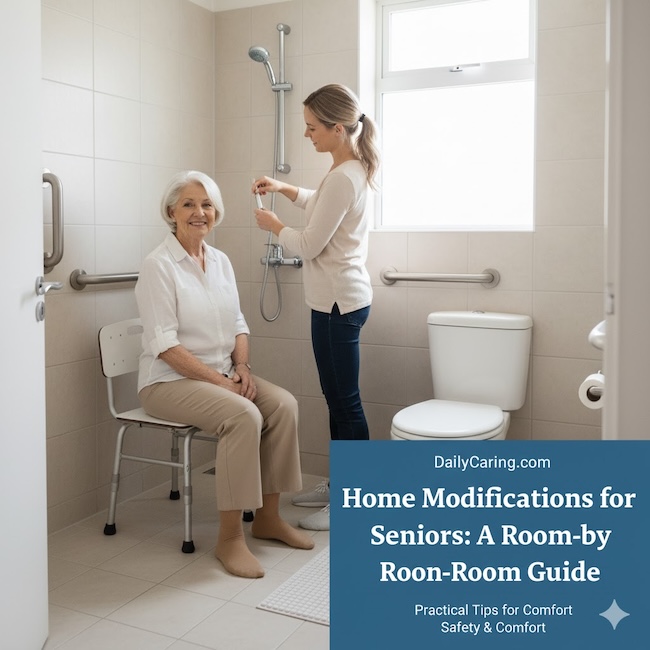
The bathroom is statistically the most dangerous room in the house. The combination of slippery surfaces, low lighting, and the physical transitions required (sitting to standing) creates a perfect storm for accidents.
- The Risk: Most falls occur when getting out of the tub or off the toilet, as blood pressure can shift quickly upon standing (orthostatic hypotension).
- The 2026 Strategy: Beyond grab bars, we now look at ambient fall detection. New radar-based sensors can monitor this room 24/7 without cameras, preserving privacy while ensuring that if a fall occurs in the shower, help is summoned immediately, even if the senior can't reach a button.
2. Stairs & Entryways: Navigating Elevation Changes
Staircases remain a primary site for high-impact injuries. As vision shifts with age, “depth perception” becomes a critical vulnerability, especially in dim lighting.
- The Risk: “Missing the last step” is a common cause of hip fractures. Poor edge visibility makes it difficult for the brain to distinguish where one step ends and the next begins.
- The 2026 Strategy: We use high-contrast visual cues. By applying a strip of tape that contrasts with the flooring (e.g., yellow on dark wood), you provide the brain with the data it needs to navigate safely. Pair this with motion-activated LED strips that illuminate the path before the first step is even taken.
3. The Bedroom: Midnight Mobility
Many falls happen during the “witching hours” between 10 PM and 6 AM. Whether it’s a trip to the bathroom or reacting to a phone call, hurried movement in the dark is a major hazard.
- The Study: Research from the National Institute on Aging suggests that clearing a direct, wide path from the bed is the single most effective “low-tech” fix for bedroom safety.
- The 2026 Strategy: Smart Bed Sensors. These pads sit under the mattress and can alert a caregiver's phone if a senior has been out of bed for more than 15 minutes, allowing for a “discreet check-in” that prevents a long lie (lying on the floor for hours after a fall).
4. The Kitchen: Reaching & Resilience
The kitchen is often overlooked in fall prevention, but it is a hub of “micro-movements”—reaching, bending, and turning—that can challenge balance.
- The Risk: Using a chair or a shaky step-stool to reach a high shelf is a high-risk behavior. Additionally, spills on tile floors create immediate slip hazards.
- The 2026 Strategy: Waist-High Organization. An audit of the kitchen should result in the 80/20 rule: 80% of the most-used items (heavy pots, daily dishes, medications) should be stored between the hip and the shoulder. This eliminates the need to reach or crouch, keeping the center of gravity stable.
Personal Risk Factors to Watch Out For
While the environment is key, the National Institute on Aging notes that personal health factors are equally critical. When conducting your audit, keep an eye on these “invisible” risks:
- Vitamin D Deficiency: Essential for bone density and muscle strength.
- Medication Side Effects: Tranquilizers, sedatives, or even certain blood pressure meds can cause dizziness.
- Vision & Footwear: Ensure regular eye exams and opt for shoes with firm, non-slip soles rather than loose slippers.
Why Your Home Safety Audit Matters
By fixing the most dangerous areas first, you reduce the “Fear of Falling.” This is a psychological cycle in which an aging adult becomes less active to avoid falling, which leads to muscle weakness and, ironically, an even higher risk of falling.
Home Safety Checklist: Minimize Falls in 2026
You might also like:
— Fall Prevention Exercises for Seniors – Stay Balanced While Reaching [Video]
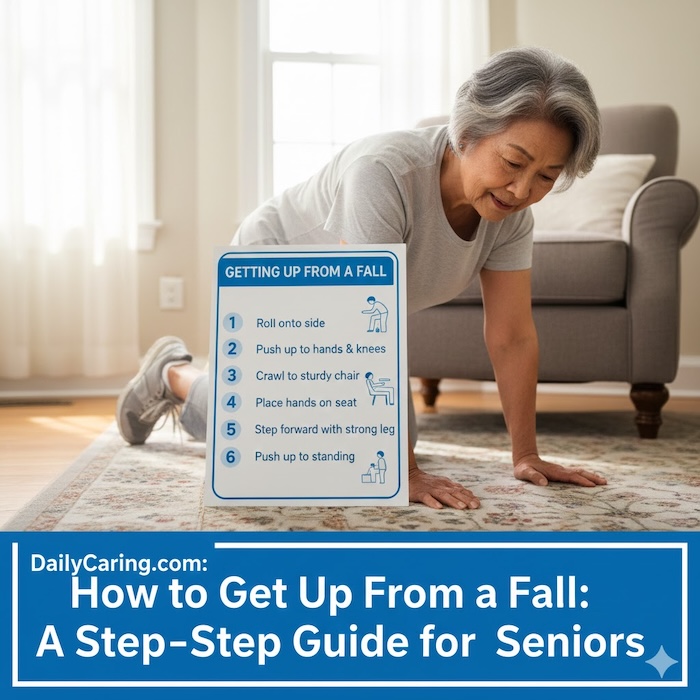
— How Seniors Can Safely Get Up After a Fall [VIDEO]
— Why Do Seniors Fall Down?
About the Author

Chris is a seasoned healthcare executive and entrepreneur from the Pacific Northwest. He strongly advocates for older adults and the caregivers who serve them. Chris has personal experience caring for his father, who had dementia. Chris is a technology enthusiast and an avid outdoorsman; if he's not in his office, he can usually be found on a golf course or fly-fishing out west somewhere.
[…] loved one will need to adjust to walking again, in which case you should make sure to remove all obstacles and potential hazards out of their way. Clear pathways and remove throw rugs that could cause a fall or slip. Remote […]