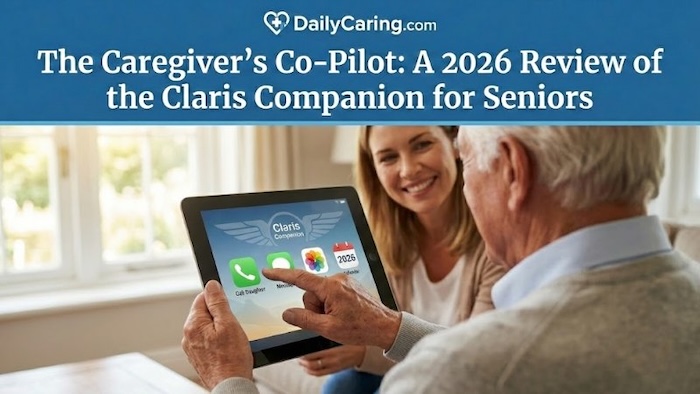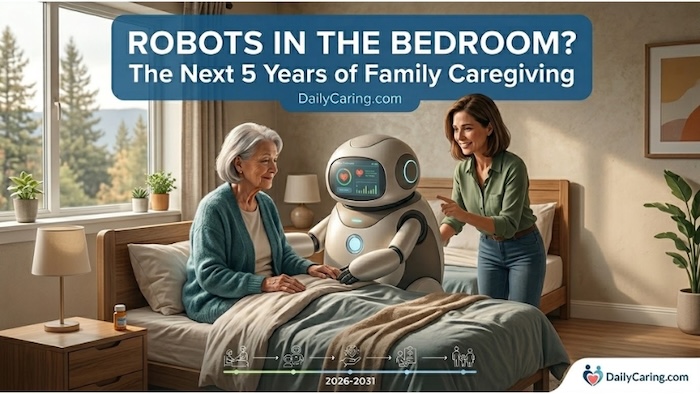













The landscape of dementia care has shifted. In 2026, the emotional core of caregiving remains the same, but the “how” has been revolutionized.
With the National Institute on Aging highlighting 2026 as a breakthrough year for caregiving research, we are moving away from manual tracking and toward AI-powered co-navigation.

Here are 12 essential tips for leveraging 2026 technology to provide better care with less burnout.
12 Caregiver Tips for Leveraging Technology in 2026
1. Use AI as a “Communication Translator”
When a loved one repeats a question for the 10th time, your patience can wear thin. Use a dedicated AI care assistant to generate “validation-first” responses.
Instead of correcting them, the AI can suggest scripts that align with their reality, a technique often used when experts recommend lying to someone with dementia for the person's own comfort.
2. Swap Cameras for Radar-Based Sensors
Privacy is the “dignity currency” of 2026. New radar-driven technology, like the Silver Shield system from Pontosense, detects falls and irregular movements without cameras. This preserves your loved one’s privacy while giving you 24/7 peace of mind.
Silver Shield from Pontosense uses privacy-first sensing and AI to help families and care teams detect risk, monitor wellness, and respond faster, all through a single, invisible sensor in the home.
3. Automate “Circadian Lighting”
Sundowning is often triggered by harsh or fading light. Modern smart home ecosystems, such as the Samsung Care Companion, now automate lighting to mimic the sun’s natural path. This subtly regulates sleep-wake cycles and reduces late-afternoon agitation.
CES attendee Doctor Rob Longwell (a member of the media from Beverly Hills, California) liked what he saw; “What I like about Samsung’s AI ecosystem is how everything is connected. Home security and safety are especially important to me, and I was impressed by how devices work together to help protect the home.”
4. Deploy AI “Check-in” Agents
Caregiver burnout often stems from the “mental load” of constant check-ins. In 2026, AI voice agents can make daily social calls, ask about their lunch, or remind them to hydrate. This keeps them engaged while you focus on high-touch care or your own work.
5. Use VR for Reminiscence Therapy
Traditional photo albums are great, but Virtual Reality (VR) is the 2026 standard for cognitive stimulation. Taking a “virtual trip” to a childhood home or a favorite beach can significantly boost mood and reduce the “exit-seeking” behavior common in middle-stage dementia.
6. Smart Medication Dispensers with “Lockout” Tech
Medication errors are a top cause of hospitalizations. In 2026, automated pill dispensers do more than just beep; they use secure lockouts to prevent double-dosing and send an immediate alert to your phone if a dose is missed.
Automated pill dispensers have come a long way in 2026. Today, they come with touchscreen controls, voice reminders, and remote alerts sent to caregivers when doses are missed.
7. AI Voice-Biomarker Monitoring
Modern apps can now analyze daily speech patterns to detect subtle changes in cognitive function or mood. This acts as an “early warning system,” letting you know if a decline is accelerating or if a medication adjustment might be needed before a crisis occurs.
8. Robotic Pets for Emotional Regulation
For many in 2026, robotic companions like the retriever “Jenny” provide the calming benefits of a therapy animal without the physical demands of pet care. These robots respond to touch and voice, significantly reducing the “agitation spikes” common in mid-stage dementia.
9. Smart Toilets for Passive Health Checks
Devices like True Lu analyze waste to monitor hydration, nutrition, and early signs of UTIs – a frequent cause of sudden confusion in seniors. This allows for medical intervention before the infection leads to a fall or delirium.
VIDEO: A Long-Term Care Facility's Thoughts on Smart Toilets
10. LiDAR-Equipped Mobility Aids
Walkers and wheelchairs in 2026 now feature LiDAR and 360-degree cameras to detect obstacles and automatically apply brakes. This tech empowers your loved one to move independently while significantly lowering the risk of collisions or “tip-over” accidents.
11. Geofencing with “Smart Jewelry”
Forget clunky plastic bracelets. In 2026, GPS tracking is hidden in stylish rings or pendants. You can set a “Safe Zone” (geofence); if they wander past the front gate, you receive a discreet alert on your smartwatch, allowing for a quick, low-stress intervention.
12. Digital “Legacy” Storytelling
Use AI-driven platforms to turn old photos and voice recordings into interactive “storybooks.” This technology allows your loved one to “converse” with their own memories, providing deep cognitive stimulation and preserving their dignity as a person with a rich history, not just a patient.
The 2026 Caregiver’s Tech Stack: At a Glance
The transition from traditional caregiving to a tech-enabled approach can feel overwhelming. To help you prioritize your investments, we’ve categorized the most impactful innovations of 2026. This “Tech Stack” moves beyond simple convenience—it focuses on preserving dignity while significantly reducing the “mental load” that leads to caregiver burnout.
| Category | 2026 “Must-Have” Tool | Primary Benefit |
|---|---|---|
| Safety & Falls | Radar-Based Privacy Sensors | Instant fall detection without invasive cameras. |
| Health Monitoring | Smart Toilet Seats (TrueLoo) | Passive monitoring for UTIs and dehydration. |
| Mobility | LiDAR-Enhanced Walkers | Automatic braking and smart obstacle avoidance. |
| Emotional Support | AI-Driven Robotic Pets | Calms agitation and offers tactile, low-stress comfort. |
| Medication | Lockout-Enabled Dispensers | Prevents double-dosing and tracks daily adherence. |
| Communication | AI Scripting Assistants | Real-time validation scripts to lower home tension. |
| Memory Therapy | VR Reminiscence Modules | Deep cognitive stimulation via immersive travel. |
? The Caregiver's Glossary: 2026 Tech Explained
Originally used in self-driving cars, LiDAR uses laser pulses to “map” a room in 3D. In mobility aids, it acts as a digital eye that can see a tripping hazard (like a rug or a pet) before your loved one does, automatically engaging brakes to prevent a fall.
Unlike cameras, radar sensors like the Silver Shield from Pontosense do not “see” images. They detect movement and vital signs through radio waves. You get the safety of a 24/7 monitor without the indignity of having a camera in the bedroom or bathroom.
These are subtle changes in voice tone, speech speed, or word choice that AI can detect long before humans can. They serve as an “early warning system” for potential cognitive decline or medical issues like a UTI.
Final Thoughts: Embracing the Future of Caregiving
The rapid evolution of caregiving technology in 2026 isn't about replacing the human touch; it’s about preserving it. By offloading the “vigilance burden” (the constant worrying about falls, medication timing, and health changes) to intelligent sensors and AI assistants, you reclaim the mental space needed to truly connect with your loved one.
These tools don't just provide safety; they provide a “buffer” against the exhaustion and burnout that so often define the caregiving experience. As we move forward, staying informed about these innovations is your best strategy for providing high-quality care while maintaining your own well-being.
Stay Ahead of the Curve
Caregiving is a journey that no one should walk alone. To ensure you always have the latest 2026 tech updates, practical tips, and empathetic support delivered straight to your inbox, join our community of almost 50,000 dedicated family caregivers who appreciate news they can use!
Caregiving is Hard. You Don't Have to Do it Alone.
Join 50,000+ family caregivers getting the practical tools, expert tech advice, and community support they need to provide the best care—without burning out.
Subscribe to the Newsletter*We respect your privacy. Unsubscribe at any time.
You might also like:
— Why Experts Recommend Lying to Someone with Dementia
— 7 Tips to Get Someone with Alzheimer’s to Take a Bath
— 4 Ways to Respond When Someone with Alzheimer’s Keeps Repeating Questions
About the Author

Chris is a seasoned healthcare executive and entrepreneur from the Pacific Northwest. He strongly advocates for older adults and the caregivers who serve them. Chris has personal experience caring for his father, who had dementia. Chris is a technology enthusiast and an avid outdoorsman; if he's not in his office, he can usually be found on a golf course or fly-fishing out west somewhere.