










For caregivers who have spent sleepless nights worrying about a parent's memory or their own family history, the rising global numbers of cognitive decline can feel like an approaching storm. The fear that our cognitive destiny is entirely out of our hands is a heavy burden.
However, groundbreaking research has just offered a powerful strategy for dementia prevention for seniors.
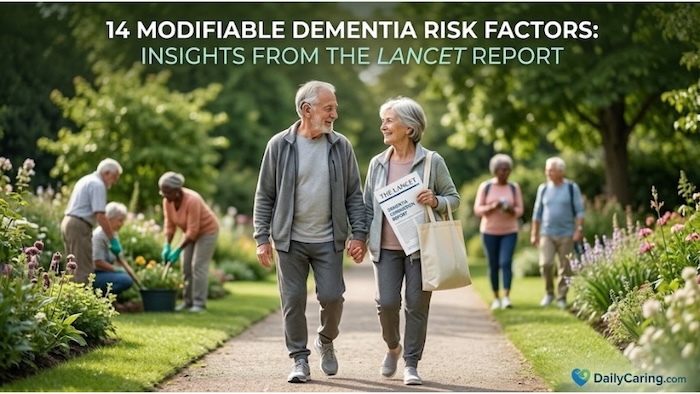
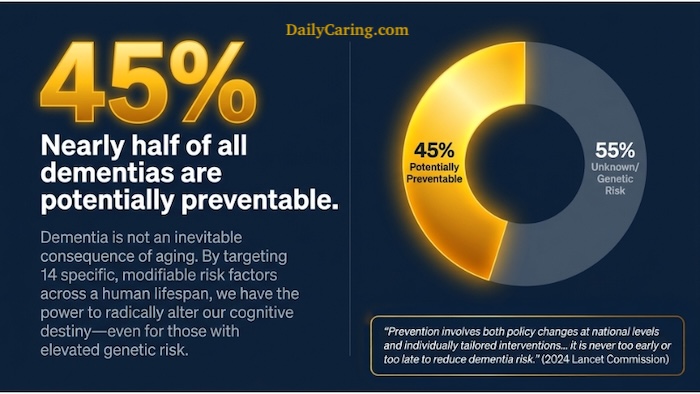
The Lancet Dementia Report provides a monumental turning point in how medical professionals view cognitive decline. The data reveal that nearly half of all dementia cases, exactly 45%, could theoretically be prevented or delayed by addressing 14 specific modifiable dementia risk factors across one's lifespan.
The Hidden Connection: High LDL Cholesterol and Dementia
In this latest update, the list of modifiable dementia risk factors has officially grown from 12 to 14, adding two variables that surprise many patients: untreated vision loss and high LDL cholesterol.
Managing your cholesterol is not just a cardiovascular necessity; it is a proactive, brain-saving move. The evidence shows that high LDL cholesterol, typically starting in midlife, significantly increases the biological burden on the brain.
The data is clear. High LDL cholesterol carries a weighted Population Attributable Fraction (PAF) of 7%. Addressing this one factor alone could have a massive impact on global dementia rates.
Hearing Loss Dementia Risk: Why Hearing Aids Matter
If there is one thing a caregiver can do today that carries massive preventive weight, it is to address hearing loss. Auditory decline also carries a weighted PAF of 7%, making it one of the most significant modifiable risks.
The report highlights the landmark ACHIEVE study, which found that in high-risk groups, hearing aid use reduced three-year global cognitive decline by an astonishing 48%. Treating hearing loss does more than just clarify sound. It is a safeguard for the vital cognitive stimulation that social contact provides.
When we hear better, we stay more socially engaged and maintain a lower risk of depression. By keeping the lines of communication open, we effectively stave off the isolation that accelerates cognitive decline.
VIDEO: 45% of Dementia May Be Preventable
Your DNA is Not Your Destiny
One of the most profound sections of the 2024 report debunks the idea that genetics, specifically the APOE status, acts as a fixed sentence. For anyone who has watched a loved one fade away and feared they are next, this data changes everything.
The Commission explicitly found that dementia risk is modifiable irrespective of APOE genetic status. Whether it is managing blood pressure to a specific target or staying socially active, these interventions benefit individuals with both high and low genetic risk. Your DNA may load the gun, but lifestyle pulls the trigger. We now have the instructions on how to keep the safety on.
It is Never Too Early and Never Too Late to Practice Healthy Aging
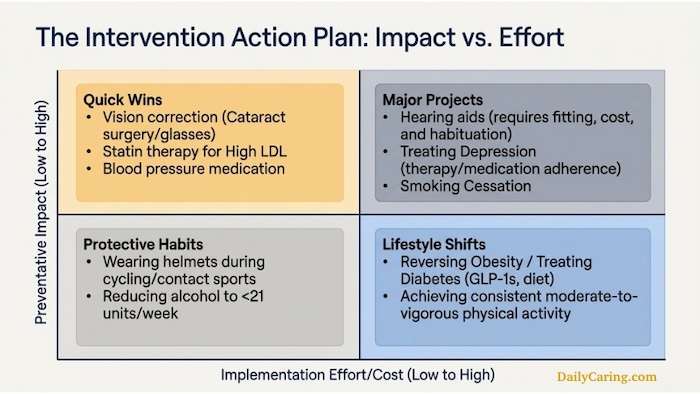
Prevention is a life-course journey. The goal is to delay the onset of symptoms so that even if dementia eventually develops, patients spend the vast majority of their lives healthy and vibrant. Caregivers seeking additional actionable strategies can explore the DailyCaring Alzheimer's and Dementia section for more information.
What Are the 14 Modifiable Risk Factors for Dementia?
Why Focusing on Modifiable Risk Factors Might Be Your Best Course of Action (For Now)
The news cycle has really focused heavily on new amyloid-targeting antibodies as therapy for dementia sufferers. While these new medications for dementia represent scientific progress, the Commission offers a sobering reality check. These new treatments show only modest efficacy, carry notable side effects, and are highly expensive and burdensome for families.
Standard treatments like cholinesterase inhibitors and memantine remain vital. They are cheap, have few side effects, and help manage symptoms effectively. Most importantly, no drug can yet match the 45% prevention potential found in lifestyle changes.
The medical community is witnessing a monumental shift away from the belief that dementia is an inevitable part of growing old. By taking control of these 14 modifiable risk factors for dementia, we can actively change the trajectory of our cognitive health.
About the Author

Chris is a seasoned healthcare executive and entrepreneur from the Pacific Northwest. He strongly advocates for older adults and the caregivers who serve them. Chris has personal experience caring for his father, who had dementia. Chris is a technology enthusiast and an avid outdoorsman; if he's not in his office, he can usually be found on a golf course or fly-fishing out west somewhere.