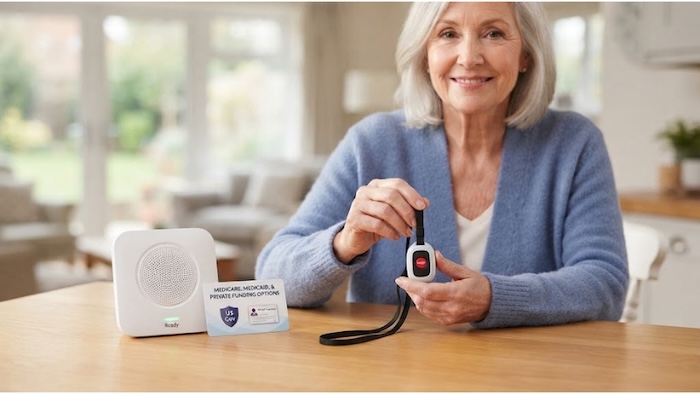













Being a family caregiver is an act of profound love, dedication, and often, an overwhelming amount of responsibility. You juggle appointments, medications, household tasks, emotional support, and countless other duties, often sacrificing your own well-being in the process.
We see you, and we understand that beneath the surface of all these tasks lies an invisible, yet crushing, weight: your mental load. Fortunately, finding the right AI assistants for caregivers can help.
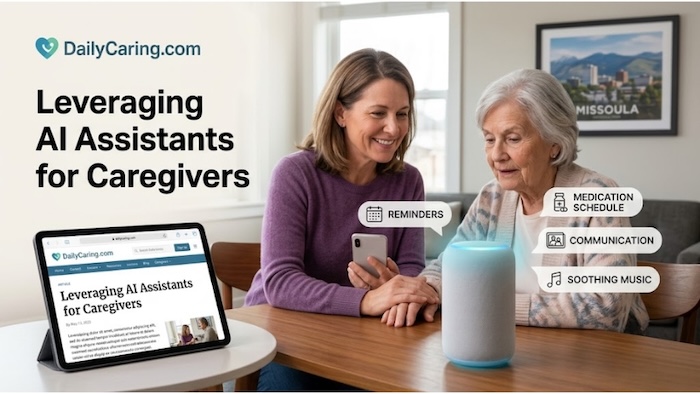
We believe that AI assistants for caregivers offer a powerful, practical pathway to do just that. This guide is not about replacing the human touch; it is about empowering you with tools to automate the mundane, organize the chaos, and give you more moments to simply be with your loved one and with yourself.
Let's explore how AI assistants for caregivers can be practical tools that reduce their mental load and help folks thrive again.
The Invisible Burden: Understanding the Caregiver's Mental Load
Before we dive into solutions, let's acknowledge the challenge. You know this burden intimately, but naming it can be the first step towards managing it.
What is “Mental Load” in Caregiving?
Imagine your brain as a constantly spinning set of plates. Each plate represents a task: “Did my loved one take their pills?” “When is the next physical therapy appointment?” “What groceries do we need?” “Remember to call the insurance company.” “How will I manage the kids' schedules with this?” “Is my loved one comfortable right now?”
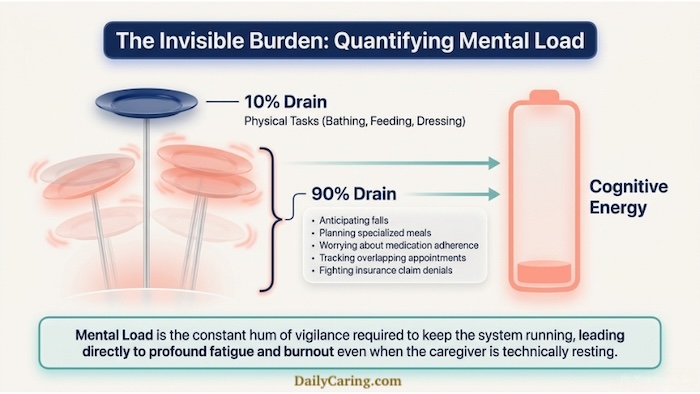
The “mental load” is not just about doing these things; it is the constant remembering, planning, anticipating, and worrying about them, even when you are not actively engaged in the task. It is the silent, relentless cognitive effort required to keep everything running, often with little to no recognition.
The Impact of Mental Load on Caregiver Well-being
This invisible burden is not harmless. Over time, the relentless mental load can erode your physical health, emotional resilience, and overall quality of life. You might find yourself constantly tired, irritable, or struggling to focus. The constant hum of worries can lead to anxiety, difficulty sleeping, and a feeling of being perpetually overwhelmed.
Recognizing the Signs of Caregiver Burnout
When the mental load becomes too heavy to bear, it often manifests as caregiver burnout. This is not just feeling tired; it is a state of complete emotional, physical, and mental exhaustion. Signs include:
- Profound fatigue that doesn't improve with rest.
- Withdrawal from friends, family, and activities you once enjoyed.
- Loss of interest in caregiving, or feeling resentment.
- Irritability and frequent anger towards your loved one or others.
- Changes in appetite or sleep patterns.
- Feelings of hopelessness or helplessness.
Recognizing these signs is crucial. If you are experiencing them, know that you are not alone and that seeking the right caregiver solutions can be a vital step towards reclaiming your well-being.
VIDEO: AI Assistants for Caregivers – The Helping Hand You Never Knew You Needed
How AI Assistants Are Changing the Game for Caregivers
You might associate “AI” with complex technology, but in the context of caregiving, it is becoming an accessible, practical ally.
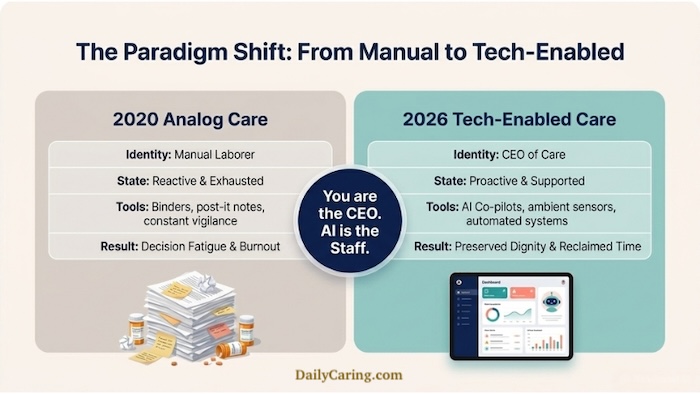
Beyond Basic Reminders: The Evolution of AI in Caregiving
For years, technology offered basic reminders. Today, AI for family caregiving has evolved significantly. Modern AI assistants can learn your routines, understand complex commands, integrate with various devices, and even offer proactive suggestions.
They are not just digital notepads; they are sophisticated tools designed to anticipate needs and streamline processes, offering truly impactful digital solutions for caregivers.
The Core Promise: Automation, Organization, and Support
The fundamental promise of AI in caregiving is to give you back your time and mental space. By automating repetitive tasks, helping you organize information, and providing instant access to support, AI assistants aim to:
- Free up cognitive energy: No more trying to remember every tiny detail.
- Reduce stress: By bringing order to chaos and providing reliable prompts.
- Enhance efficiency: Accomplish more in less time.
- Provide a safety net: Offer monitoring and quick access to emergency care.
Practical Applications: How AI Assistants Reduce Your Mental Load
Let's get practical. Here are immediate, actionable ways AI assistants for caregivers can step in and lighten your load.
| Application Area | Key Examples | Mental Load Benefit |
|---|---|---|
| Daily Tasks | Reminders, Calendar sync, Grocery lists | Reduces decision fatigue and frantic trips. |
| Coordination | Family updates, Healthcare notes | Keeps vital info in one place. |
| Wellness | Conversational support, Meditation | Provides an accessible emotional outlet. |
| Monitoring | Fall detection, Smart home control | Reduces anxiety, enhances safety. |
| Information | Health answers, Local resources | Saves research time. |
Streamlining Daily Tasks and Scheduling
This is where AI truly shines in reducing the everyday grind.
- Medication reminders and tracking: Use a smart speaker (like Amazon Echo or Google Home) to set daily voice reminders.
- Appointment management: Link your family's calendars to your AI assistant and use voice commands to add appointments.
- Meal planning and grocery lists: Ask your AI assistant for healthy meal ideas or start a grocery list by voice.
Enhancing Communication and Coordination
- Facilitating family communication: Set up a shared family message group through an app that integrates with AI.
- Coordinating with healthcare providers: Use your assistant to quickly take notes during doctor's appointments.
Providing Emotional and Mental Wellness Support
- AI-powered conversational companions: Explore mental wellness apps that offer AI chatbots for venting or processing feelings.
- Stress management: Ask your AI assistant to guide you through a short meditation or breathing exercise.
Monitoring and Safety Features
- Passive monitoring: Install smart sensors that detect falls or unusual activity patterns and alert your phone.
- Smart home integration: Remotely control lights, thermostats, or door locks.
Accessing Information and Resources Instantly
- Quick health answers: Ask your AI assistant about side effects or general wellness tips. Always verify with a medical professional.
- Finding local resources: Quickly search for home care services or senior centers near you.
4 Real-World AI Tools Caregivers Can Try Today
It is one thing to talk about AI conceptually, but what does it look like in practice? Here are four specific, real-world AI tools currently helping family caregivers reduce their mental load:
1. Sensi.ai (For Non-Invasive Safety Monitoring)
If you worry about your loved one wandering at night or falling, but neither of you wants invasive video cameras in the house, Sensi.ai is a breakthrough. It uses small, audio-only “care pods” placed around the home.
The AI listens for anomalies – such as a thud, repeated coughing, distress sounds, or unusual nighttime bathroom trips – and immediately alerts you on your phone. It provides peace of mind while preserving your loved one’s privacy and dignity.
2. ElliQ (For Companionship and Daily Engagement)
ElliQ is a proactive, AI-driven companion robot designed specifically for older adults. Unlike a standard smart speaker that waits for a command, ElliQ initiates conversation.
It can guide your loved one through chair yoga, play trivia with them, initiate video calls with you, and gently remind them to take their medications or drink water.
For caregivers, the ElliQ app provides updates on your loved one's mood, sleep, and activity, significantly easing the guilt of not being there 24/7.
3. ianacare (For Care Coordination and Support)
The ianacare (I Am Not Alone) app is designed to help you mobilize and organize your “informal” care team – the friends, neighbors, and family members who always say, “Let me know how I can help!”
The app uses smart algorithms to help you easily request and delegate specific tasks (like grocery drop-offs, rides to the doctor, or respite time) to your personal network, centralizing communication so you don't have to send exhausting group texts.
4. ChatGPT or Gemini (For Planning and Paperwork)
Don't underestimate the power of general AI models like ChatGPT or Google Gemini to help with your administrative caregiving load. You can use these tools to drastically cut down your planning time.
- Example prompt to try today: “Act as a nutritionist. Create a 7-day dinner meal plan and a categorized grocery list for an older adult with Type 2 diabetes who has trouble chewing hard foods.”
- Example prompt for paperwork: “Draft a polite but firm letter to my insurance company appealing their decision to deny coverage for my mother's physical therapy sessions.”
*A Crucial Note on Privacy: When using public AI models like ChatGPT or Gemini for healthcare paperwork or planning, always anonymize the data. Never enter your loved one's real name, birthdate, Social Security Number, or Medicare details into a chat prompt. Use generic terms like “my 80-year-old mother” instead of her name to protect her sensitive health information.
Choosing the Right AI Assistant
Before investing, identify your specific pain points: organization, communication, safety, or emotional support. Look for Ease of Use, Security, Customization, and Integration capabilities.
Integrating AI into Your Caregiving Routine: Tips for Success
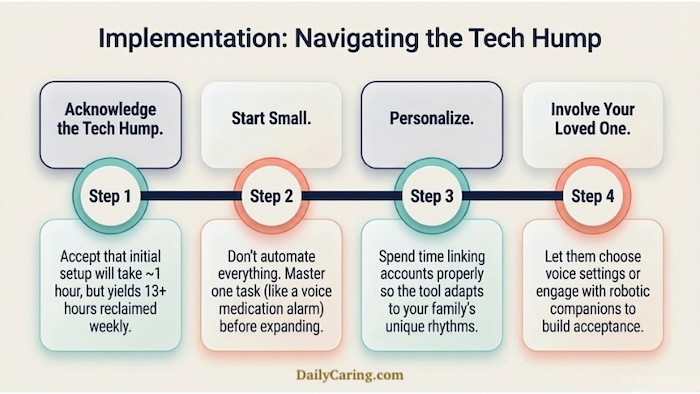
Bringing new technology into a busy routine can seem daunting. Here is how to navigate the initial “tech hump” without adding to your stress:
- Acknowledge the Setup Time: Accept that setting up an AI tool will temporarily add to your mental load for about an hour. Schedule this setup time when your loved one is resting, grab a cup of coffee, and know this small time investment will pay off tenfold.
- Start Small: Do not try to automate your whole life in one day. Master one single task (like a daily medication alarm) before expanding to grocery lists or calendar syncing.
- Personalize: Spend the time setting up preferences and linking your accounts properly so the tool works for your specific rhythms.
- Involve Your Loved One: If appropriate, let them choose the smart speaker's voice or learn simple commands like, “Alexa, play my favorite jazz station.”
- Set Realistic Expectations: AI is a powerful support tool, but it is not a replacement for your human presence, intuition, and love.
The Future of Caregiving
We are moving towards a future where AI and human caregivers work in a symbiotic relationship, with technology handling repetitive cognitive tasks, freeing you to focus on the emotional aspects of care.
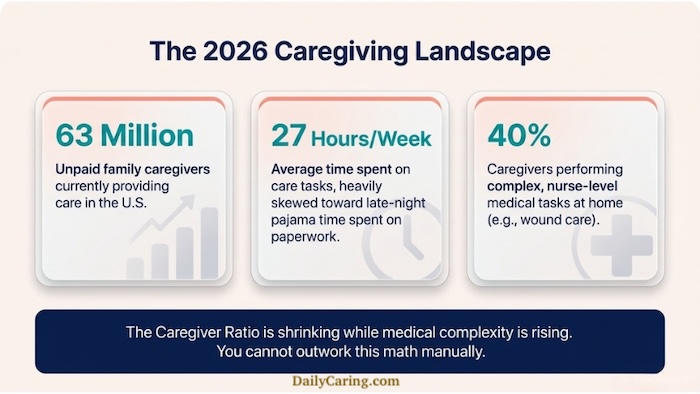
Given the current “caregiver crisis” (with no end in sight), tools that incorporate automation, robotics, and artificial intelligence will figure prominently in the future caregiver's daily routine. It's simply inevitable…
Conclusion: Embracing Innovation for a Healthier Caregiving Journey
Being a family caregiver is a marathon, not a sprint. By embracing innovative AI assistants, you are not taking a shortcut or outsourcing your love; you are strategically deploying resources to better manage the immense responsibilities you shoulder. Take that first step, and give yourself permission to lean on technology. You deserve this support.
Frequently Asked Questions: AI for Caregivers
Can AI actually reduce caregiver burnout?
Yes. While AI cannot replace human empathy, it significantly reduces the “mental load” by automating repetitive tasks like medication reminders, coordinating family updates, and managing appointments. This allows family caregivers to reclaim time and reduce daily stress.
What are the safest AI assistants for caregivers to use?
The safest tools are those designed specifically for health and aging, such as ElliQ (for companionship) or Sensi.ai (for audio-only monitoring). General smart speakers like Amazon Echo or Google Home are also highly useful, provided you take a moment to review their privacy settings.
Is it safe to share health information with AI tools like ChatGPT?
You must always exercise caution. When using public AI models like ChatGPT or Google Gemini to help draft medical appeals or meal plans, always anonymize your data. Never enter your loved one's real name, Social Security Number, or Medicare details into a chat prompt.
About the Author

Chris is a seasoned healthcare executive and entrepreneur from the Pacific Northwest. He strongly advocates for older adults and the caregivers who serve them. Chris has personal experience caring for his father, who had dementia. Chris is a technology enthusiast and an avid outdoorsman; if he's not in his office, he can usually be found on a golf course or fly-fishing out west somewhere.