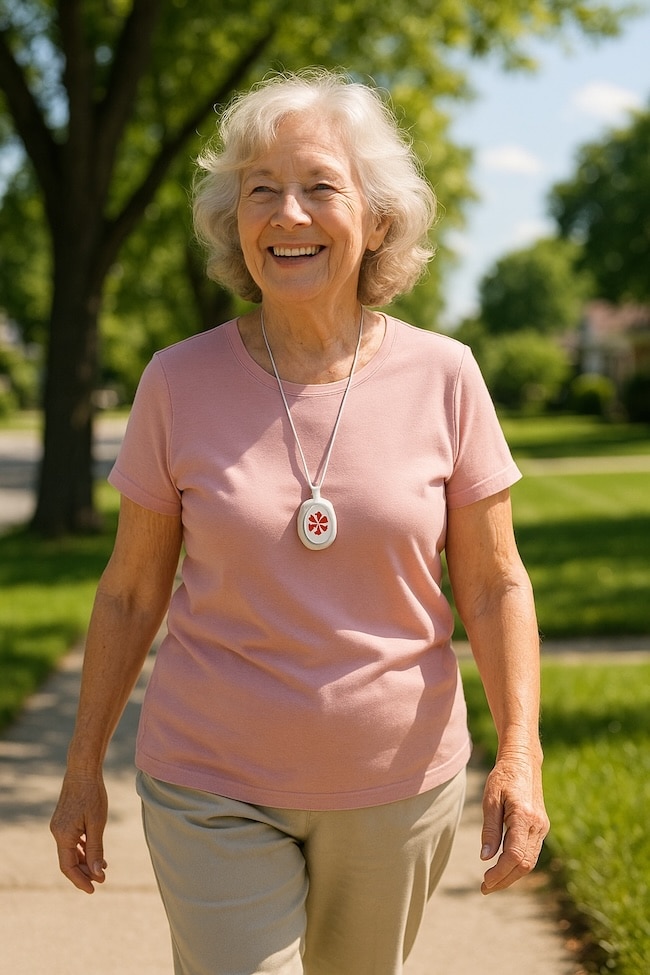











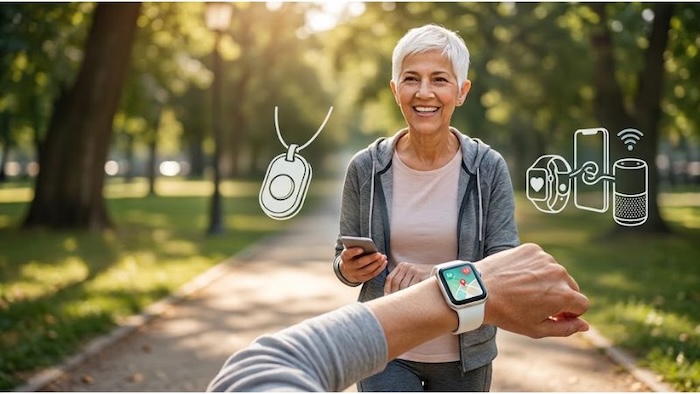
Remember the classic “I've fallen and I can't get up” pendant? Medical alert systems have progressed entirely beyond that original concept. Today's options serve as comprehensive safety hubs that can determine whether an older adult remains independent at home or must transition to a care facility.
According to AARP, almost 90 percent of people aged 65 and older want to stay in their homes rather than move to a facility. Because independent living remains the preferred standard, the technology supporting it has rapidly matured. In fact, the global medical alert systems market size is projected to reach $11.8 billion in 2026, driven directly by a demand for advanced safety monitoring.
The Old Medical Alert Standard
The legacy format was a wearable button connected to a localized base unit, which then relied on a landline to contact a monitoring center. It was simple but severely limited. It only functioned if an aging adult remembered to wear it, stayed within a few hundred feet of the base station, and remained conscious enough to physically press the button after an incident.
What Advancements Have Modern Medical Alert Systems Made in 2026?
Wearable artificial intelligence (AI) devices are transforming these tools from basic, reactive alarm triggers into real-time health-monitoring systems for proactive care. Below is a breakdown of the modern features available to caregivers today.
Modern Medical Alert System Advancements to Appreciate
- Predictive AI and Biometrics: Modern systems do more than wait for a button press. Wearables now continuously monitor metrics such as heart rate, blood oxygen levels (SpO2), and sleep quality, using AI and machine learning to detect early signs of physiological decline or atrial fibrillation before a crisis occurs.
- Advanced Fall Detection Algorithms: Detail how modern devices combine accelerometers and gyroscopes with machine learning to distinguish a genuine hard fall from a slow slide or a dropped device, significantly reducing false alarms.
- Discreet Form Factors: Highlight the shift from stigmatized white pendants to cellular smartwatches and voice-activated ambient wall sensors that require no wearable hardware.
- Caregiver Portal Integration: Detail the shift toward transparent caregiving. Adult children can now use companion mobile apps to track a parent's real-time GPS location in case your loved one tends to wander, monitor the device's battery level, review call logs, and set remote medication reminders.
VIDEO: Modern Medical Alert Systems Are So Much Better!
How to Choose the Right Medical Alert System
You must match the medical alert system to your loved one's actual needs and cognitive abilities. An advanced smartwatch with a touchscreen will fail for a user with severe dementia or macular degeneration.
- Prioritize compliance: Buy the device they will actually wear. Aesthetically pleasing options increase the likelihood of daily use.
- Audit the financials: Check the coverage area, battery life, and exact monthly monitoring costs. Avoid long-term contracts if you anticipate their care needs changing rapidly.
- Verify fall-detection parameters: Ask the manufacturer exactly how their fall-detection algorithm works and what their false-alarm rate is.
- Run a live test: Set up the system and practice a fake emergency together. This builds their confidence in knowing exactly what will happen when they need help.
Caregiver Tips Regarding Medical Alert Systems
A medical alert system is never a substitute for direct supervision or structured in-home care. It is a risk-mitigation tool designed to buy you precious minutes during an emergency. Reviewing the National Institute on Aging's fall prevention guidelines is a mandatory first step before relying solely on a wearable device.
For more practical, honest caregiving strategies delivered straight to your inbox, join the DailyCaring Newsletter, where over 40,000 people have already subscribed!
Frequently Asked Questions About Medical Alert Systems
Does Medicare cover medical alert systems?
Original Medicare (Part A and Part B) does not cover medical alert systems because they are not classified as durable medical equipment. However, some Medicare Advantage (Part C) plans or Medicaid programs may offer limited coverage, discounts, or reimbursement depending on your state regulations.
Do I need a landline for a modern medical alert system?
No. While traditional systems require a standard landline, modern medical alert systems utilize built-in cellular networks, allowing them to function anywhere with cellular service.
How does automatic fall detection actually work?
Automatic fall detection uses built-in accelerometers and gyroscopes to monitor changes in motion and speed. When the device identifies a pattern consistent with a hard fall, it automatically contacts the monitoring center, ensuring help is called even if the user is unconscious or unable to press the button. Caregivers can also monitor these alerts alongside medication reminders via connected mobile apps.
The Bottom Line on Modern Medical Alert Systems
Finding the right balance between safety and independence is one of the most difficult challenges in caregiving. Fortunately, the evolution of modern medical alert systems has replaced the stigma of the bulky, outdated panic button with sleek, proactive health hubs.
Whether you opt for a discrete GPS medical alert watch for an active parent or passive ambient sensors for a loved one with cognitive decline, today's technology is designed to preserve their dignity while giving you invaluable peace of mind.
While no device can ever replace the warmth and watchful eye of dedicated human caregiving, integrating these advanced tools into your safety plan ensures that help is always quietly, reliably waiting in the wings.
About the Author

Chris is a seasoned healthcare executive and entrepreneur from the Pacific Northwest. He strongly advocates for older adults and the caregivers who serve them. Chris has personal experience caring for his father, who had dementia. Chris is a technology enthusiast and an avid outdoorsman; if he's not in his office, he can usually be found on a golf course or fly-fishing out west somewhere.