












When a loved one with Alzheimer’s or dementia lives in a care community, an unexplained injury often leaves you with more questions than answers. Because of cognitive decline, your loved one may not be able to explain how they sustained a bruise or why their behavior has suddenly changed. In this post, we'll discuss what to do if you suspect nursing home abuse of seniors with dementia.
In 2026, memory care safety standards are stricter than ever, but systemic challenges continue to put residents at risk. If you are reporting memory care neglect anonymously in 2026, or if you simply suspect nursing home abuse of seniors with dementia, you must act as a proactive advocate to protect their fundamental resident rights.
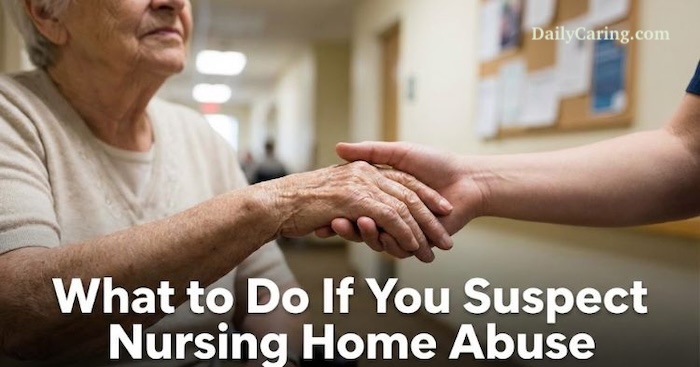
The following guide provides a clear roadmap for investigating concerns, documenting evidence, and engaging the right experts to ensure your older adult is safe.
The Invisible Crisis: When Dementia Masks Nursing Home Abuse
When a loved one with Alzheimer’s or dementia lives in a care community, an injury often leaves you with more questions than answers. Because of cognitive decline, your loved one may not be able to explain how they broke a hip or why they have a sudden bruise.
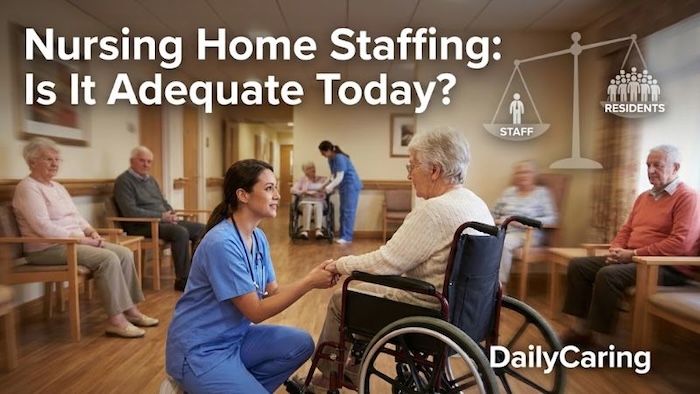
In 2026, memory care safety standards are stricter than ever, but the national caregiver shortage continues to put residents at risk of both intentional abuse and systemic neglect.
If the facility can't (or won't) explain an injury, you must act as the “detective” to protect your loved one’s resident rights.
The Hidden Crisis: Did you know that only 1 in 24 cases of elder abuse are ever reported?
Identifying and Responding to Nursing Home Abuse of Seniors with Dementia
It is heartbreaking to suspect that a loved one may not be receiving the proper care, especially when their dementia prevents them from speaking up for themselves. Understanding the difference between a facility's systemic failure and intentional mistreatment is the first step in effective advocacy.
The following table breaks down the most common types of concerns when it comes to nursing home neglect and abuse, ranging from physical safety to emotional well-being, and provides the immediate steps you should take to investigate and protect an aging adult.
| Type of Abuse | Warning Signs to Watch For |
|---|---|
| Physical Abuse | Unexplained bruises, fractures in various stages of healing, or signs of being physically restrained. |
| Neglect of Basic Needs | Poor personal hygiene, soiled bedding, rapid weight loss, or dehydration. |
| Psychological Abuse | Sudden personality changes, becoming unusually quiet, or exhibiting fearful behavior. |
| Medical Abuse (Chemical Restraints) | Sudden, unexplained lethargy or “zombie-like” behavior. |
| Sexual Abuse | Unexplained bleeding or a sudden, intense fear of being touched by caregivers. |
| Financial Exploitation | Missing personal belongings or unauthorized changes to bank accounts. |
The Dementia Risk: Residents with Alzheimer's or dementia are twice as likely to experience abuse compared to those without cognitive impairment.
Action Plan: Addressing Memory Care Neglect and Abuse in a Nursing Home
Understanding the signs of potential mistreatment is only the first step; taking swift, organized action is essential for your loved one's safety. When concerns arise in a memory care setting, the standard facility grievance process can often feel slow or opaque.
Use this Action Plan to bypass the confusion and move directly to the specific steps and authoritative contacts needed to investigate a crisis, document findings, and advocate for the protection of an older adult's rights.
| Scenario | Immediate Next Steps | Who to Contact |
|---|---|---|
| Physical or Sexual Abuse | Take date-stamped photos of all injuries immediately. Request a forensic exam (SANE) at a hospital. | Local Law Enforcement or 911 |
| Chemical Restraints | Request a full medication review. Check if anti-psychotics were started without informed consent. | Primary Physician & Facility Medical Director |
| Neglect or Poor Hygiene | Request a formal care plan meeting to review staffing levels and medical logs. | Director of Nursing (DON) |
| Rights Violations | Request an independent investigation into facility practices or specific staff behavior. | State Long-Term Care Ombudsman |
| Legal or Financial Harm | Gather financial statements to determine if there is a case for negligence, theft, or malpractice. | Specialized Elder Law Attorney |
Systemic Failure: Recent 2026 studies show that nearly 95% of residents have witnessed or experienced some form of neglect in a facility setting. – Nursing Home Law Ctr, LLC
The “CareTech” Safety Checklist: Does Your Facility Use Technology to Help Manage Residents?

Is your loved one's nursing home using technology solutions to help keep their residents safe? Here are some questions to ask to find out:
- Fall Detection: Ask the facility whether they use medical alert systems or other sensors that alert staff to falls in real time.
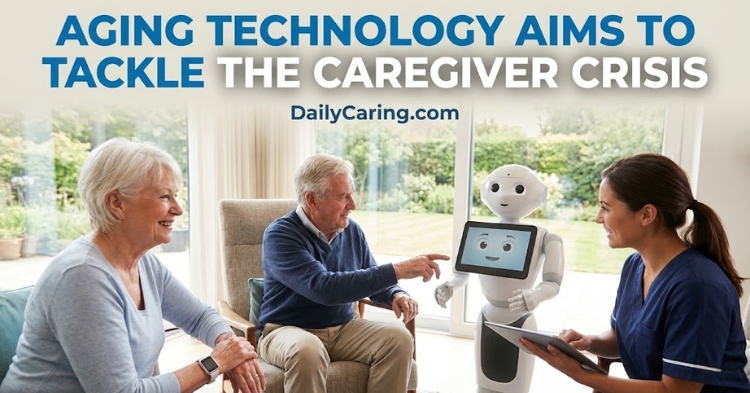
- Wearable Health Monitors: Discuss the resident’s right to wear personal heart-rate or GPS monitors that can track sudden spikes in agitation or unauthorized wandering (elopement).
- Digital Complaint Portals: Many states now offer streamlined digital portals for faster incident reporting. Does your facility make it easy to report abuse or neglect allegations?
People Also Ask:
Conclusion: Your Voice is Their Protection
Suspecting nursing home abuse of seniors with dementia is a heavy burden, but in a memory care environment, your intuition is often the only defense your loved one has. Whether it is a subtle change in behavior or an unexplained bruise, do not wait for the facility to “find an answer” for you.
By using the Action Plan above and engaging with your Local Ombudsman, you are ensuring that your loved one’s rights are respected and their safety is restored. You are not just a visitor; you are their most important advocate.
BONUS: Incident Documentation Log
Incident Documentation Log
Memory Care & Nursing Home Safety Record
Recommended for you:
- Problems in Assisted Living: Should You Move Someone with Alzheimer’s?
- How an Elder Law Attorney Can Help Seniors and Caregivers
- Handy Checklist and Tips on How to Find a Good Assisted Living Facility
About the Author

Chris is a seasoned healthcare executive and entrepreneur from the Pacific Northwest. He strongly advocates for older adults and the caregivers who serve them. Chris has personal experience caring for his father, who had dementia. Chris is a technology enthusiast and an avid outdoorsman; if he's not in his office, he can usually be found on a golf course or fly-fishing out west somewhere.