













Older adults are more vulnerable to illness, and pneumonia is a common complication during cold and flu season. Vive Health explains what pneumonia is, who’s at risk, and common symptoms. They also share four helpful prevention tips.
When an older adult has a severe cold or the flu, a common complication is for it to turn into pneumonia – a life-threatening illness, especially for seniors.
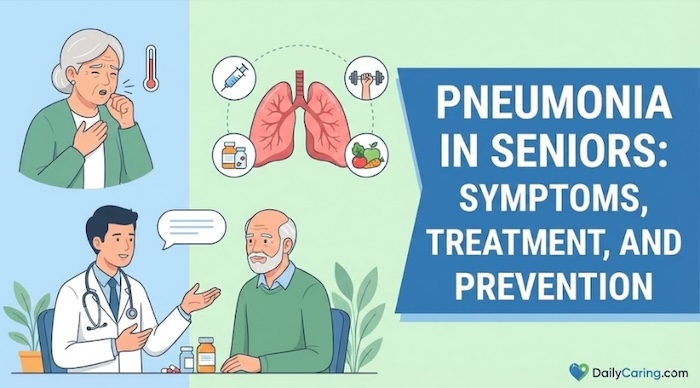
This essential guide helps you understand what pneumonia is, who’s most at risk, common symptoms, diagnosis and treatment, and shares four helpful prevention tips.
What is Pneumonia?
Pneumonia is an infection that causes the tiny air sacs in the lungs to become inflamed and filled with fluid and pus.
That causes coughing with phlegm or pus, fever, chills, and difficulty breathing.
The cause of the infection could be as simple as inhaling an airborne droplet containing a microscopic bacterium or virus.
Or it could be a tiny piece of food that went down the wrong pipe into the lungs and allowed bacteria to grow.
Some types of pneumonia are contagious and spread through coughing and sneezing.
Other types of pneumonia are not contagious, such as aspiration pneumonia, which is caused by accidentally inhaling food or water into the lungs.
Who is At Risk for a Pneumonia Diagnosis?
Several factors increase a person’s risk of developing pneumonia.
These include:
- Age – people over age 65 and children under the age of 2 are more susceptible
- Smoking – smoking damages the lungs and makes smokers more vulnerable
- Certain medical conditions – adults with suppressed immune systems or chronic illnesses like heart disease, COPD, and diabetes are at higher risk
- Hospitalization – breathing assistance (like in the intensive care unit in a hospital) can increase lung exposure to bacteria or viruses
- Difficulty swallowing – older adults who experience trouble eating due to neurological conditions like Parkinson’s, stroke, and dementia are at increased risk of aspiration pneumonia.
Common Pneumonia Symptoms
Pneumonia can present in various ways. In mild cases, it may even seem like a long case of the flu.
Common pneumonia symptoms include:
- Cough (sometimes with phlegm or pus)
- Chest pain when breathing or coughing
- Fever, sweating, and chills
- Shortness of breath
- Wheezing, lung crackling sounds (heard with a stethoscope)
- Lowered levels of oxygen in the blood
- Fatigue
- Nausea, vomiting, or diarrhea
Pneumonia in seniors may also confuse, increased falls, and difficulty with normal functioning.
Pneumonia Diagnosis and Treatment Advice
What should you do if you suspect that your older adult has pneumonia? Visit the doctor immediately.
A doctor can quickly order tests to diagnose pneumonia and determine the cause of the infection.
These tests may include chest X-ray, blood and sputum analyses, CT scans, or lung fluid cultures.
Pneumonia can be treated at home with antibiotics, cough medicine, and pain relievers or anti-inflammatory medications (such as Tylenol or Advil).
But in severe cases, hospitalization may be required.
If untreated, pneumonia can become life-threatening. It can result in serious complications like difficulty breathing, fluid building up around the lungs, and fluid-filled abscesses forming in a lung cavity.
A bacterial infection can also spread from the lungs into the bloodstream and body tissues. This type of widespread infection is known as sepsis and could cause organ failure.
4 Tips for Pneumonia Prevention
Fortunately, there are many ways to protect older adults from this life-threatening infection.
1. Get vaccinated
Several vaccines can help prevent pneumonia and the flu.
Please discuss your loved one's vaccination status with their doctor, especially before cold and flu season is in full swing.
2. Monitor vitals closely
If your older adult experiences recurrent pneumonia, monitor their vital signs closely to watch for signs of infection.
Significant changes in blood pressure that might signal a problem are easy to spot with regular bp monitoring.
Low oxygen saturation levels can be measured with a basic pulse oximeter and respiration rate can be observed.
All of this information can be recorded and shared with their doctor to help with a diagnosis.
3. Support a healthy immune system by eating healthy foods
Eating a healthy, nutrient-dense diet, getting regular exercise, supplementing your diet, and maintaining a good sleep routine will strengthen an older adult’s immune system and help them ward off infections.
4. Don’t smoke
Not smoking is essential for health. It will do as much for helping prevent pneumonia as it will to prevent heart disease and cancer.
Final Thoughts About Pneumonia in Seniors
Pneumonia in seniors is a serious matter, but it is not an inevitable one. By staying vigilant for unique symptoms (such as confusion and increased falls) and acting quickly on diagnosis, you can significantly reduce risk through preventive measures, such as vaccination and health monitoring.
The steps outlined here empower you to move from fear to preparedness, transforming concern into confident action. Ultimately, this knowledge enables you to be an effective advocate and caregiver, helping ensure your loved one enjoys a healthier, safer life.
Remember, your awareness and proactive care are invaluable tools in safeguarding their well-being.
*Always consult a physician or healthcare professional if you suspect pneumonia in a family member.
Recommended for you:
- Flu Shot for Seniors: 5 Reasons Why It’s So Important
- 16 Cold and Flu Prevention Tips for Seniors and Caregivers
- Prevent Serious Illness with Recommended Vaccines for Seniors
Guest contributor: Jessica Hegg is the content manager at ViveHealth.com. Interested in all things related to living a healthy lifestyle, she shares valuable information to help overcome obstacles and improve the quality of life for others.
About the Author
Jessica Hegg is a manager at ViveHealth.com. Ms. Hegg was also a full-time caregiver for her Mom who had Primary Progressive MS and Epilepsy. She is a freelance writer with a passion for cooking and lives in Austin, TX with her Mom and her wonderful husband. You can find her personal blog about caregiving tips, ideas, and solutions at Givea.Care.

Great article but I’m surprised that you did not mention the role of good hygiene (infection prevention and control) and it’s role in preventing Pneumonia. I have unfortunately seen many examples of very poor hygiene practices which could potentially lead to an episode of pneumonia in the elderly. Just a few examples, I witnessed a carer pick up a nebulizer tube off the floor and hook it straight up to the mask and machine and the patient without cleaning it. I hate to imagine what bugs would have been delivered straight to the old persons lungs via this contaminated tubing. Another time, I witnessed a carer who was short of a cup from the kitchen, use a cup from another resident who had a superbug, without cleaning it for another resident. I could go on but I wont. Please don’t omit the importance of cleanliness and infection prevention when publishing articles on pneumonia prevention. Many thanks.
Absolutely, basic hygiene is a must for everyone and especially for someone with a weakened immune system. We assume that people follow good hygiene practices in their normal lives and especially when providing care to someone, so we don’t specifically call those practices out.
The incidents you’ve described are shocking and disappointing, but unfortunately, do happen. That’s why it’s so important for older adults to have strong advocates who can look out for them and speak up if they witness these issues.