










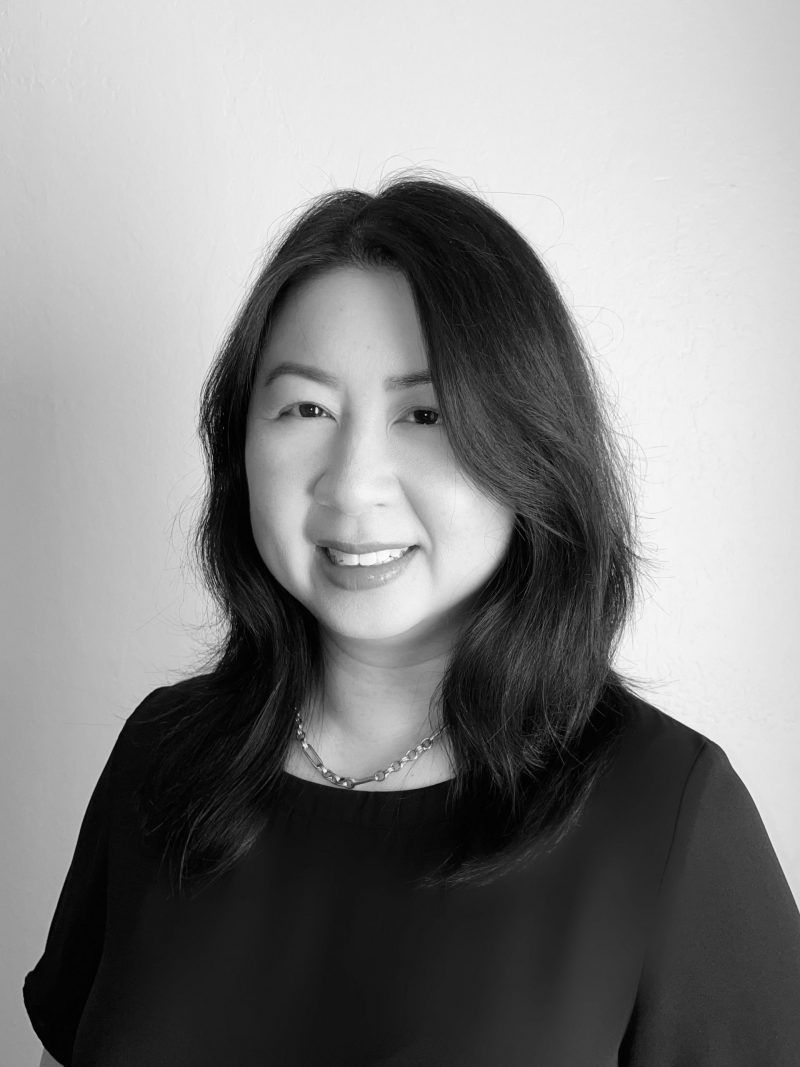
Michelle Porjes, Ed.S. shares the nine lessons she learned during her 10-year journey caring for her mother, who lived with dementia.
I am not a dementia expert; it found me. One June day in 2009, my mother had her first bout with confusion – about her own birthday…
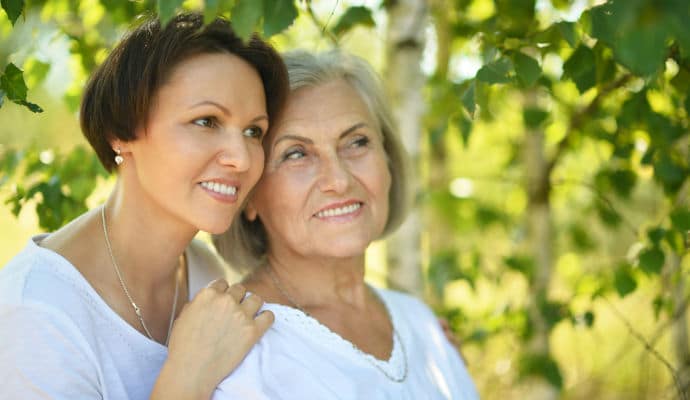
For the next 10 years, I went on a dementia journey with my mom.
Like many of you, I found myself thrown into the role of caregiver, and for the first time, I really understood what was involved.
Over my 10-year journey, I discovered many things, and I made it my mission to share my story and what I learned.
Here are nine powerful lessons that I learned. I hope they can support you on your own caregiving journey.
9 Powerful Lessons I Learned About Dementia
1. Build a tribe of those who have wisdom, those who have your back, and those whom you can trust
It was easier to choose the proper care at the right time when I had my tribe to rely on.
Being a caregiver can be a lonely place if you don’t have support.
2. Create your own centralized support system, especially regarding services
Grab a notebook and make sections for important information such as phone numbers, documents, medications, services, bills, etc.
Don’t forget to have a place to jot down questions.
Nothing gives you the feeling of “I can do this” like knowing where to find important stuff.
3. Dementia expresses itself differently in people
Dementia does not look like it is portrayed on TV and in the movies. You will have to let go of your notion of what “should” happen.
4. Advanced Directives and other documents are critical
No one wants to discuss these things. It’s awkward, icky, and uncomfortable. But making sure advanced directives and other important legal documents are completed is important.
Equally important – knowing where they are. In times of stress, no one wants to be hunting for them.
Have a short conversation. Put the documents in a secure place and tell a trusted person where they are.
5. If the time for hospice comes, these folks are angels
Rely on their wisdom, ask questions, and accept support. Hospice can be a blessing.
6. Self-care needs to be a daily occurrence and done without guilt
It need not be complex.
It can be simple. It can be as simple as ensuring you get 7-8 hours of sleep.
Self-care is critical in both the marathon and the sprint of caring for an older adult.
7. Situations and needs change and plans for care will change
Try to be flexible in your thinking about home care and assisted living from the beginning of the journey.
Caring for an older adult can feel like a wild ride. Just when you think you have the path figured out, there can be an unforeseen turn, loop, or drop.
It really helps to develop the muscle of flexibility before things get heavy.
8. During our journey, I found myself quickly part of the sandwich generation
I was not alone since the majority of the sandwich generation is between 40-59 years old and 60% of family caregivers are female.
The sandwich generation is growing, and by 2035, 13% of the global population (11 billion people) will be over 65.
9. Caregivers can choose the path and prioritize the direction of care
In my journey with my mom, I focused on safety, no pain, and dignity.
Recommended for you:
- Keeping Aging Parents at Home: 5 Top Caregiving Tips
- 3 Stages of Dementia: What to Expect as the Disease Progresses
- A Caregiver Notebook Makes Caregiving Easier
Guest contributor: Michelle Porjes, Ed.S., is the founder of LA Elderly, a Facebook Group designed for support and exchange of information. The group was established in memory of her mother, who passed away in December 2017. The website LA Elderly: Information, Connection, Inspiration was established in May 2021 to reach more people and continue the legacy.
About the Author

Connie is the founder of DailyCaring.com and was a hands-on caregiver for her grandmother for 20 years. (Grandma made it to 101 years old!) She knows how challenging, overwhelming, and all-consuming caring for an older adult can be. She also understands the importance of support, especially in the form of practical solutions, valuable resources, and self-care tips.