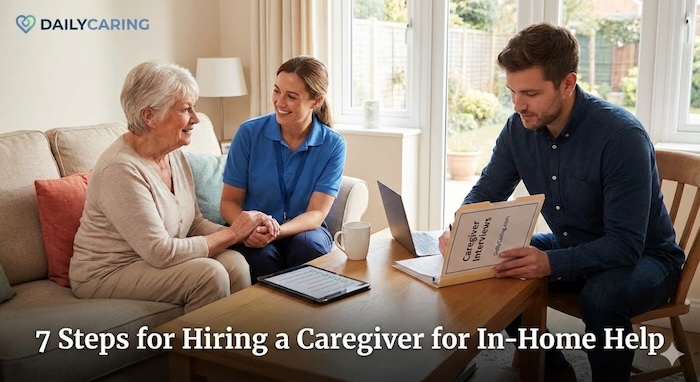













Finding the right support for an aging parent has never been more complex. In 2026, the “Care Gap” (the divide between the growing number of seniors and the available workforce) has made choosing a home care agency a high-stakes decision.
With national home care costs now averaging $30–$35 per hour, families aren't just looking for a “sitter”; they are looking for a professional partner in safety, technology, and health management.

Whether you are just starting your search or need to make a quick transition from a hospital stay, this guide covers the modern 2026 standards for vetting agencies, understanding costs, and ensuring your loved one is in the best hands.
The 2026 Home Care Landscape: What's Changed?
The home care industry is currently valued at over $659 billion, according to Morningstar's 2026 Market Outlook. This growth is driven by “Hospital-at-Home” models and a surge in specialized dementia care.
*Note: Home care agencies provide non-medical support; if you need wound care or PT, ensure the agency coordinates with a Home Health provider.
However, the industry experiences 80% caregiver turnover within the first 100 days of hire. This means your primary goal in 2026 isn't just finding an agency, it’s finding one that can retain high-quality staff.
Agency Caregiver vs. Private Hire: 2026 Comparison
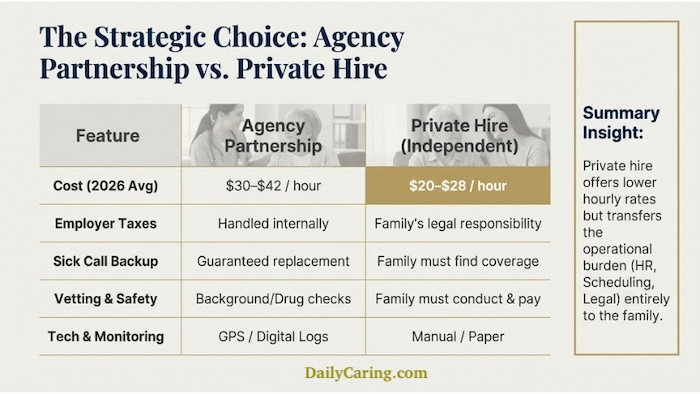
Many families consider hiring a neighbor or a “private” caregiver to save money. While the hourly rate might be lower, the risks in 2026 (including tax compliance and lack of backup) are significant.
| Care Feature | Home Care Agency | Private Hire (Independent) |
|---|---|---|
| Avg. Cost (2026) | $30 – $42 / hour | $20 – $28 / hour |
| Employer Taxes | ✔ Handled by Agency | ✘ Family's Legal Responsibility |
| Sick Call Backup | ✔ Guaranteed Replacement | ✘ Family Must Find Coverage |
| Vetting & Safety | Background, Drug, & Reference Checks | Family Must Conduct & Pay for Checks |
| Tech & Monitoring | GPS Clock-in & Digital Care Logs | Manual/Paper Logs (Usually) |
*Prices reflect national 2026 averages; local rates may vary based on specialized care needs (Dementia, Parkinson's, etc.).
6 Critical Questions to Ask Every Home Care Agency
In the past, four questions were enough. In today's market, you need to dig deeper into their operations and technology.
1. Is the home care agency bonded, licensed, and insured for “Dishonesty”?
Don’t let an agency gloss over this. Ask specifically for a Dishonesty Bond. This protects you if a caregiver is involved in theft or financial exploitation. Ensure they are compliant with CMS Home Health Quality Standards.
2. Who conducts the caregiver screening?
In 2026, many agencies use AI to filter resumes. Ensure a human Care Coordinator personally interviews and verifies references. You want a “clinical eye” on the hiring process, especially if your loved one needs specialized dementia care.
3. What is your 90-day caregiver retention rate?
Low turnover equals better care. If an agency can’t give you this number, they likely have a “revolving door” of staff. Consistent care is vital for seniors with cognitive decline.
💡 Pro Tip: Don't wait for a crisis. Because of the 2026 caregiver shortage, the best agencies often have a 2-4 week onboarding period. Start your interviews before you think you need the help.
4. How do you use technology for transparency?
Modern agencies use “Family Portals” or apps that let you view real-time clock-in/out data, daily care notes, and medication logs. If they are still using paper logs, they are behind the times.
5. Can we interview the caregiver (and their backup)?
Agencies often resist this for last-minute needs, but for a primary caregiver, insist on it. Use a formal interview guide for caregivers to ensure they are a personality fit for your parent.
6. What is the “True” hourly rate and minimum?
Rates are often negotiable. If quoted $35/hour, ask if there is a discount for 40+ hours a week or if they can match a competitor's $32 rate. Also, check for “hidden” fees, such as weekend premiums or mileage charges.
Ready to start your interviews?
📥 Download the Caregiver Interview Cheat Sheet(Opens in a new tab so you don't lose your place here!)
Financing Home Care in 2026: What You Can Expect to Pay
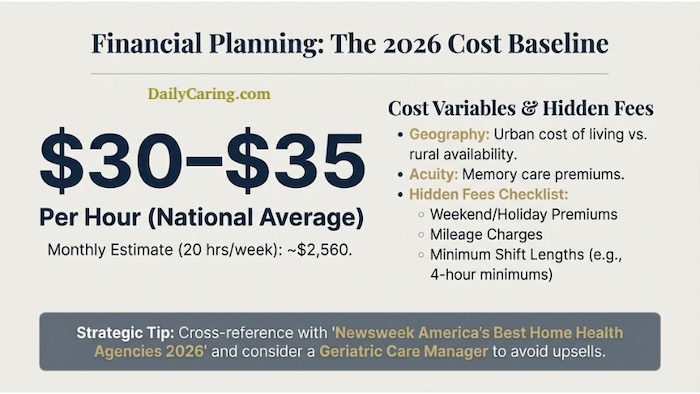
Home care is a major investment. At $32/hour, 20 hours of care per week costs roughly $2,560 per month.
- Tax Deductions: You may be able to deduct these costs as medical expenses. Check our 2026 Guide to Tax Tips for Caregivers for current thresholds.
- Geriatric Care Managers: If you feel overwhelmed, hiring a Geriatric Care Manager can help you navigate the system and save money in the long run by avoiding unnecessary “upsells.”
- Government Rankings: For peace of mind, cross-reference your finalists with the Newsweek America's Best Home Health Agencies 2026 list.
Home Care Agency Vetting Master-List
The 2026 Gold Standard for DailyCaring Readers
1. Legal, Safety & Retention
2. Memory Care & LTCI Support
3. The “Tech-Check” for Transparency
⚠️ High-Impact Red Flags
- 🚩 “Zero Turnover”: Likely a lack of transparency. Ask for their specific recruitment pipeline instead.
- 🚩 No Home Assessment: If they send a caregiver without a clinical supervisor visiting first, it is a major safety risk.
- 🚩 “One-Size-Fits-All” Training: If they can't name their specific dementia curriculum (e.g., Teepa Snow, Positive Approach), they aren't specialists.
Agency Name / Comparison Notes:
Final Thoughts on Choosing a Home Care Agency in 2026
Choosing a home care agency in 2026 requires more than just a quick phone call; it requires a shift in mindset from “finding help” to “hiring a professional partner.”
With the current caregiver shortage and the rise of complex “Hospital-at-Home” needs, the best agencies are those that lead with transparency, embrace modern technology, and value their workforce enough to keep them.
Remember, you are the CEO of your loved one’s care. By using the Vetting Master-List above and trusting your instincts during the interview process, you are doing more than just filling a schedule; you are securing their safety, dignity, and independence.
Don’t wait for a crisis to force your hand; start your research today so that when the time comes, you can move forward with total peace of mind.
You might also like:
– Talking to Parents About Home Care? 3 Expert Tips
– Home Health Care vs In-home Care: What's the Difference?
– Use This Guide to Help Seniors Stay in Their Homes
About the Author

Chris is a seasoned healthcare executive and entrepreneur from the Pacific Northwest. He strongly advocates for older adults and the caregivers who serve them. Chris has personal experience caring for his father, who had dementia. Chris is a technology enthusiast and an avid outdoorsman; if he's not in his office, he can usually be found on a golf course or fly-fishing out west somewhere.