










What happens when the very medications prescribed to safeguard a senior's health end up untouched in the bottle? This silent and widespread issue, known as medication non-adherence, is not simply a case of forgetfulness or stubbornness.
It's a complex, often invisible barrier that can quietly unravel a care plan, leading to preventable hospital visits, accelerated health decline, and immense stress for families.
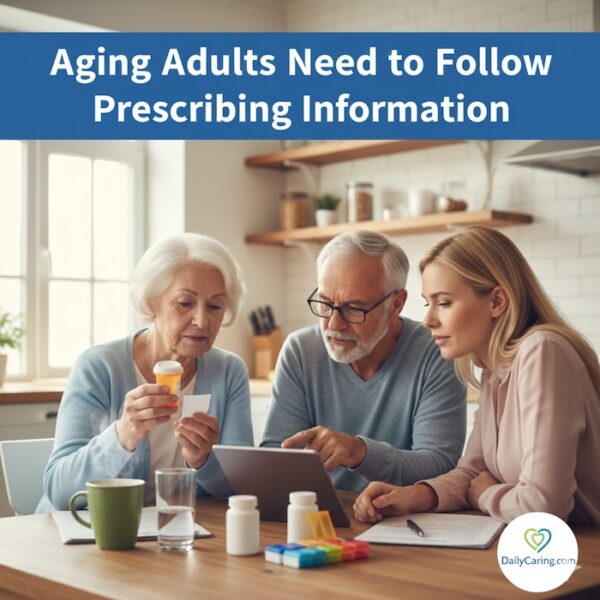
Unpacking the real reasons behind missed doses is the first critical step to turning the tide and protecting your loved one's well-being.
Missing Medication Doses Can Seriously Affect the Health of Aging Adults
Not taking prescribed medication has serious consequences for older adults.
According to a top medical journal, this causes about 125,000 deaths and 10% of hospitalizations every year.
But the number of people who skip medication doses on purpose is shockingly high. Studies show that 50% of medications for chronic diseases aren’t taken as prescribed.
In a New York Times article, Jane E. Brody outlines the main reasons people deliberately don’t take their medication and the importance of taking medication as prescribed.
We highlight three key points from the article and offer suggestions for what to do if seniors are unable to take medication as prescribed due to financial constraints.
3 Reasons Seniors Might Not Be Taking Their Prescribed Medications
1. They don’t believe in taking medicine
Many people don’t believe in taking medication, even when they have severe health conditions like heart disease, kidney failure, or vascular disease.
Others find that taking medications reminds them that they’re sick, so they avoid them altogether.
And some people prefer natural remedies instead. Of course, making healthy lifestyle and diet changes to improve overall health is always recommended.
However, there are many situations where medications are necessary to manage a serious health condition. That’s why it’s essential to follow the doctor’s instructions.
For example, instead of taking statins prescribed by their doctor for heart disease, someone might try to take fish oil supplements.
Fish oil might be a helpful supplement for someone who doesn’t eat fish, but it can’t reduce the risk of heart attack or stroke as a prescription statin would. Not taking the prescription could worsen the person’s health.
2. They think not taking medication is harmless if they feel fine
Sometimes people will stop taking their prescribed medication for a few weeks to see what will happen or how they think.
If they feel fine, they assume the medication isn’t needed because nothing bad happened when they stopped taking it.
Unfortunately, many diseases can significantly damage health without noticeable symptoms.
For example, without a doctor’s evaluation, a person wouldn’t be able to tell whether drugs for conditions like heart disease or high blood pressure are working.
They would only find out that the medication was truly needed when they had a heart attack or stroke – when it’s clearly too late.
3. They think taking medication isn’t worth the cost
Medication can be expensive, but even when cost isn't an issue, some people think it’s not worth it.
They may feel like their health condition isn’t a big deal, so why spend money on medicine?
And when medication is expensive, people may feel even more strongly about not taking it.
In situations where money is tight, some will take less than the prescribed dose to make the pills last longer. Unfortunately, that only makes the medicine less effective.
In the short run, it might seem like not taking medication is a good way to save money.
But in the long run, not taking medication will likely cost significantly more in medical bills during a health emergency.
What if Seniors Can't Take Medication as Prescribed
If adverse side effects or financial concerns prevent your older adult from taking their prescribed medication, discuss this with their doctor right away.
They can help find a treatment that works better or refer you to helpful resources.
For example, some programs help with prescription costs, offer tips for convincing someone with dementia to take medication, and provide pill organizers to help keep track of doses.
Final Thoughts on Missing Prescription Doses
Addressing medication adherence is one of the most impactful ways you can advocate for your loved one's long-term health. By approaching the issue with curiosity instead of criticism, you can uncover solvable problems, whether they're related to cost, side effects, confusion, or a simple routine.
Your supportive involvement transforms a daily struggle into a manageable partnership, ensuring that their treatment plan works as intended. This proactive care doesn't just prevent harm; it actively builds a foundation for more stable, healthier, and independent days ahead.
Next Steps: Find out why not taking prescribed medication harms senior health in the full article at the New York Times
Recommended for you:
- 8 Tips to Avoid Harmful Drug Reactions and Overmedication in Seniors
- 11 Ways to Get Someone with Dementia to Take Medication
- How Seniors Can Get Help Paying for Prescription Drugs
This article contains affiliate links. If you buy through an affiliate link on our site, we may earn a small commission, at no additional cost to you. For more information, see How We Make Money.
About the Author

Connie is the founder of DailyCaring.com and was a hands-on caregiver for her grandmother for 20 years. (Grandma made it to 101 years old!) She knows how challenging, overwhelming, and all-consuming caring for an older adult can be. She also understands the importance of support, especially in the form of practical solutions, valuable resources, and self-care tips.


My very elderly mother says she wants to die (what for live so long?) so she wants to stop taking her meds for high blood pressure. At home, she was hiding and spitting out her pills when I gave them to her. Now in a care home, they make sure she takes the pills.
It’s wonderful that you’ve found a way to help your mother get the care she needs.
Good Advice. We all Seniors take heed of it ad act in our own and in the interest of our family members.
Hi! I like the article and agree with it completely.
I am taking anti-hypertension pills and told my daughter, a doctor, that I may be able to get by without it. She insisted that I should because BP can sometimes spike.
One day I forgot to take it and remembered in the afternoon when I felt so woozy? I was feeling tired, dizzy and my chest was pumping fast.
I immediately took it but learned a lesson the hard way.
Thank you for sharing to let others know why it’s so important to take medication as the doctor has prescribed. I’m glad that nothing serious happened to you when you skipped your pill!