













Family caregiving rarely arrives with a warning siren; it often begins as a quiet shift, a few extra errands, or answering more late-night calls. Before you know it, you're navigating a maze of medical appointments, finances, and emotional decisions without a map.
This gradual transition can leave you feeling unprepared and overwhelmed. But what if you could approach this profound role with a plan instead of just reacting to crises?
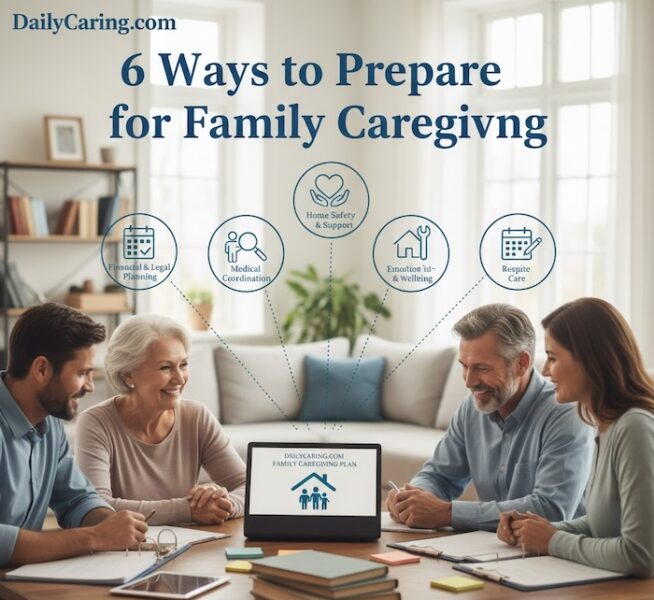
Let's explore the essential steps to build a foundation of knowledge, resources, and support before the weight of caregiving fully settles, transforming anxiety into empowered readiness. All Home Care Matters shares six practical tips that help you prepare for family caregiving and feel more confident in the role.
You Can't Just Jump Into Family Caregiving; You Must Prepare
If you find yourself in a position where caregiving for a loved one is imminent, you might feel anxious or flat-out overwhelmed about how to prepare best.
Understandably, taking on such a big responsibility can be scary, even if you are fortunate enough to have the necessary time and resources.
Preparing to be a caregiver will not only benefit your loved one but also help you take care of yourself throughout this demanding yet fulfilling journey.
There are many resources and solutions to explore that will help you succeed.
We share six practical tips that will help you prepare for family caregiving and feel more confident in your new role.
6 Ways to Prepare for Family Caregiving to Ensure Success
1. Educate Yourself About Your Loved One's Care Needs
When you are someone’s caregiver, it is both helpful and essential to educate yourself about their specific needs.
Set yourself up for success by understanding their medical conditions, common symptoms, and treatments. Talking with your current care team can also provide valuable insights.
Plus, having this knowledge will help you feel more confident in providing adequate care and making informed decisions in the future.
2. Plan Ahead and Organize Financial and Legal Obligations
Caregiving often involves financial and legal considerations, which many people do not realize beforehand. Unfortunately, this can lead to a mess of stress later on.
A good place to start is to review your loved one's financial situation, including their income, savings, insurance coverage, retirement accounts, and any other benefits they may be eligible for.
You can also consult a financial advisor or an elder law attorney to ensure you are making wise decisions and have the needed legal documentation in place, like power of attorney.
Especially in situations where declining cognitive ability is of concern, taking care of these tasks sooner rather than later is critical.
To avoid issues with other family members and ensure everyone is on the same page, thoroughly discuss any financial decisions before making them.
3. Adjust Your Living Space For Maximum Caregiving Safety
Whether your loved one will be living with you or in their own home, examine the living space and make necessary modifications to accommodate their needs and increase safety.
Rearranging furniture to create a more accessible environment is an inexpensive way to improve safety and comfort.
You may also want to install grab bars, stairlifts, or ramps for mobility challenges.
4. Set up a Self-Care Plan So You Don't Burnout!
Taking care of yourself is suitable for your own health and also enables you to provide better care to your loved one.
Caregiver burnout is more common than many of us realize, and it can lead to a host of other issues if left unattended.
Don't neglect your emotional health; you'll pay the price later.
An effective way to combat caregiver stress and burnout is to create a self-care and mental health plan.
There are many different ways to accomplish this. Some examples include maintaining a healthy lifestyle by eating nutritious meals, getting regular exercise, and getting enough sleep.
And take the time to participate in activities that bring you joy and relaxation.
5. Make an Action Plan for Caregiving and Share it with Family
As the saying goes, failing to plan is planning to fail.
Making a care plan will help you stay organized and make it easier for others to help provide care.
In this care plan, include a daily routine, key health issues, medication schedules, doctors' appointments, contact information, emergency contacts, and any other important information.
Having a clear plan in place allows other family members or backup caregivers to step in if needed and ensures nothing gets overlooked.
6. Use Available Community and Government Resources and Programs
There are community- and government-based programs available to help lighten your load.
This might include home health care agencies, respite care programs, transportation services, and even just general support groups.
Government organizations, such as the Department of Aging or the Department of Veterans Affairs, can also provide information and assistance.
Being aware of the wealth of available resources can lighten the caregiving load and enhance the quality of care you can provide.
Final Thoughts on Preparing for Family Caregiving
Preparing for caregiving is one of the most compassionate gifts you can give to your future self and your loved one. It’s not about predicting every challenge, but about building a resilient framework (financially, legally, and emotionally) that will hold you steady when the unexpected arises.
By taking these proactive steps, you are not inviting trouble; you are declaring that your family's well-being is worth protecting. Start the conversations, gather the documents, and lean on available resources.
This preparation is the cornerstone of sustainable care, allowing you to step into your role not with fear, but with strength and grace.
Recommended for you:
- 8 Benefits of Caregiver Support Groups
- Caring for the Caregiver: 6 Ways to Get Help and Improve Your Health
- 7 Steps to Take When Aging Parents Need Help
Guest contributor: Whether you’re a caregiver looking to enhance your knowledge and skills or simply seeking to learn more about dementia home care, All Home Care Matters offers a must-listen podcast and YouTube channel.
About the Author

Lance A. Slatton CSCM – Known as “The Senior Care Influencer” is a Writer, Author, Influencer, and Healthcare professional with over 20 years in the healthcare industry. He is a senior case manager at Enriched Life Home Care Services in Livonia, MI. Lance A. Slatton is also the host of the award-winning podcast & YouTube channel All Home Care Matters.