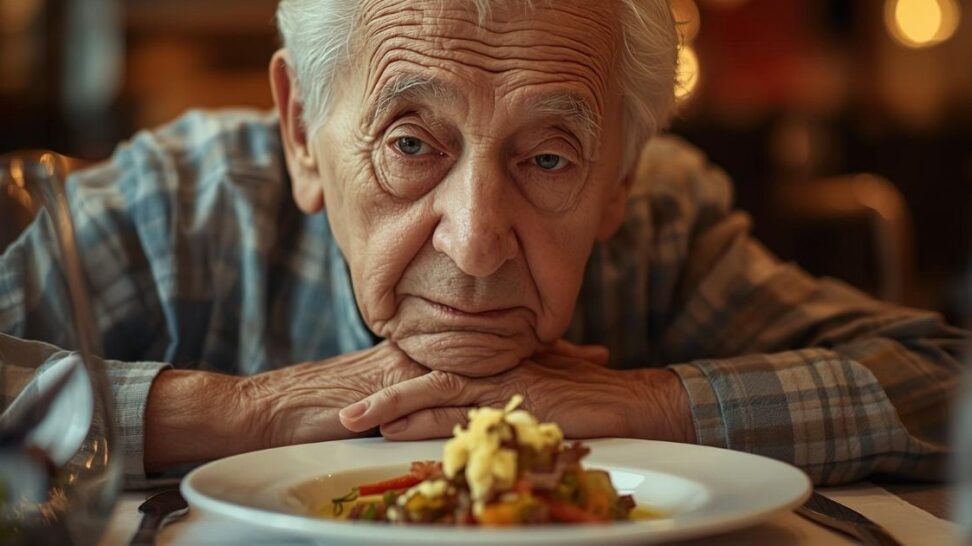











6 Ways to Get Seniors with No Appetite to Eat

Helping seniors work-up an appetite to eat isn't easy. Here are some tips and tricks

Watching your loved one consistently turn away meals is one of the most common and most worrying challenges for a family caregiver. You’ve tried their favorite dishes, gentle encouragement, and everything in between, only to be met with a lack of interest that can impact their health and your peace of mind. Before you resign yourself to frustration, it’s essential to know…


6 Ideas to Get Seniors to Drink More Water

Use these creative tips to get seniors to drink more water and prevent dehydration

Staying hydrated is crucial for seniors’ health, affecting everything from energy levels to kidney function. Still, many older adults struggle to drink enough water due to reduced thirst cues, mobility issues, or simply forgetting. Caregivers often find themselves pleading, “Just one more sip!” without success. These six creative strategies—from flavorful infused waters to smart hydration reminders — make hydration easier (and enjoyable)…

Dehydration in Seniors: An Often-Overlooked Health Risk

Dehydration can cause serious health problems so be alert to symptoms of dehydration in elderly

As a caregiver, you diligently focus on meals and medications, but there’s a silent danger that often goes unnoticed: dehydration. For older adults, the risk is alarmingly high because the natural sense of thirst diminishes with age, meaning your loved one might not feel thirsty even when their body desperately needs fluids. Dehydration in seniors is far more than just feeling parched;…

10 Reasons Why Seniors Lose Their Appetite

Sometimes a loss of appetite is a warning sign. Here are the top 10 reasons it might be occurring.

If a loved one is eating less, understanding the root cause is the first step to helping them regain a healthy relationship with food.

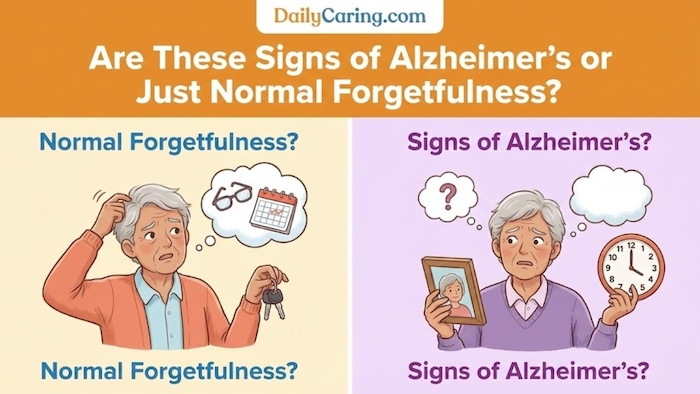
Signs of Alzheimer’s or Normal Forgetfulness?

Compare normal aging vs Alzheimer's signs in 5 everyday situations

When does forgetting a name become a red flag? How can you determine if misplacing keys is a normal part of aging or a potential symptom of Alzheimer’s disease? For caregivers, these questions are constant sources of stress. The line between everyday forgetfulness and dementia can seem blurry, but it doesn’t have to be that way. By recognizing the key differences, you…

9 More Ways to Get Seniors with No Appetite to Eat

Nutrition is important for senior health. Try 9 ways to get seniors with no appetite to eat more.

How to help when seniors lose their appetite Getting someone to eat when they have no appetite is a tough challenge. First, it’s important to rule out serious health conditions, medication side effects, and dental problems. Once you know your older adult’s overall health isn’t causing their loss of appetite, experiment with different ways to entice them to eat more. Don’t feel…

7 Tips for Seniors and Caregivers Managing Dysphagia

Tips for seniors and caregivers for managing dysphagia.

Difficulty swallowing food or liquids is a serious problem for seniors. This is often caused by a condition called dysphagia, which could cause malnutrition, dehydration, or aspiration pneumonia. It’s estimated that this condition affects 15% of seniors and up to 68% of nursing home residents. To keep your older adult safe and healthy, Vive Health shares 7 expert tips on managing dysphagia.…

Why Do Seniors Have Trouble Swallowing?

Why do seniors have trouble swallowing?

Swallowing problems are more common in seniors Some older adults have trouble swallowing food or liquids. This serious condition is called dysphagia and could cause malnutrition, dehydration, or aspiration pneumonia. For caregivers, it’s scary to watch someone who’s having trouble swallowing and not be able to help.  We explain what dysphagia is, why it’s so serious, common signs of dysphagia, and what…

10 Common Signs of Hearing Loss in Seniors

Hearing loss is common in seniors Hearing loss can’t be seen, so it’s usually noticed as a change in behavior. You might notice that your older adult frequently asks you to repeat yourself, keeps the TV volume very loud, or complains that you always mumble. If you notice these or other signs of hearing loss, it’s important to visit the doctor for…

1 in 10 Seniors Has Depression [Infographic]

depression in seniors

Seniors are vulnerable to depression Older adults go through many major life changes. These changes can make them more vulnerable to depression. Imagine how you’d feel if you’d lost beloved family and friends, become less independent, and had more problems from serious chronic health conditions. That’s not the kind of stuff that makes you jump for joy.   Key facts about depression…