











The process of finding a care community for your loved one can feel like a second full-time job. In 2026, the stakes are higher than ever. It’s no longer enough to ask if the rooms are clean or if the food is edible.
Today, we have to look “under the hood” of a community's operations. We need to know how they utilize technology to prevent falls, how they are navigating the national staffing shortage, and most importantly, how they protect your loved one’s autonomy.
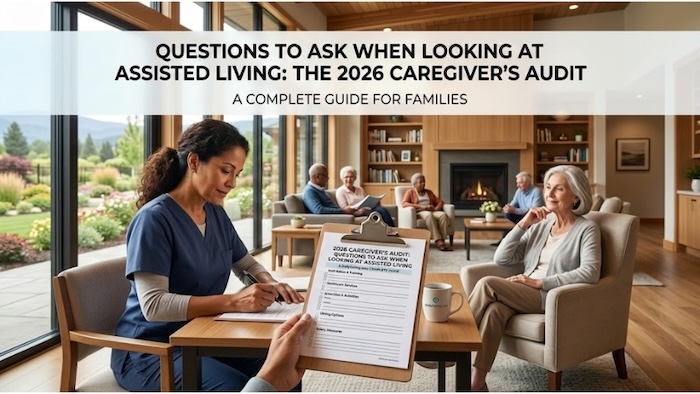
When you go on your next tour, don’t just take the brochure. Use these modern assisted living tour questions to conduct a real audit of the community.
The “Hard Truth”: The Staffing Audit
With the industry facing a shortfall of nearly 1.8 million caregivers, the most beautiful lobby in the world won't matter if there isn't anyone to answer a call light.
- “What is your actual caregiver-to-resident ratio on the night shift?” (Don't accept “it varies” – ask for a specific number.)
- “How has your staff turnover rate changed in the last 12 months?” High turnover is one of the biggest assisted living red flags.
- “How do you support your staff's well-being to prevent burnout?” Happy, supported staff provide better care.
- “Is there a consistent caregiver assigned to my loved one?” Continuity of care is vital for seniors with dementia to reduce anxiety.
Technology, Safety, and Fall Prevention
In 2026, “safety” means more than just a pull-cord in the bathroom. Modern communities are moving toward proactive vitality management. Fall prevention is a big deal, and mitigating these accidents (before, during and after) is crucial for long-term health and vitality.
2026 Technology Audit: What to Look For
Don't just ask if they have Wi-Fi. Ask how technology protects your loved one.
Do they use AI-powered fall detection that alerts staff before an injury occurs?
How do they coordinate virtual specialist visits to avoid unnecessary transport stress?
Are apartments equipped with smart lighting and voice-controlled medication reminders?
Do you have a 24/7 digital window into care logs, menus, and activity participation?
Person-Centered Care & Autonomy
Research from AARP highlights that autonomy is the #1 predictor of resident well-being. The community should adapt to your loved one, not the other way around.
- “What happens if my loved one wants to eat breakfast at 10 AM instead of 7 AM?” (Look for flexibility, not rigid schedules.)
- “How do you tailor activities to a resident's unique life history and passions?”
- “Can we personalize the care plan in real-time if a cognitive shift occurs?” * “How do you facilitate social connection?” Loneliness is as dangerous as smoking 15 cigarettes a day; ask how they foster organic friendships, not just “Bingo” games.
Financial Transparency: Beyond the Base Rate
In 2026, affordability is the industry's “buzziest” word. You need a clear picture of today's bill and tomorrow's possibilities.
- “Do you use a ‘Point System' or ‘Care Levels' for billing?” Point systems can lead to “bill shock” as health needs increase.
- “What is your history of rate increases over the last three years?” This will give you an idea of what is to come (potentially).
- “How do you coordinate with Medicare Advantage or Medicaid waivers for supplemental services?”
Next Steps: Preparing Your Selection
Once you have gathered your answers, take a moment to breathe. It’s a lot of data. We recommend using a Caregiver Notebook to compare your scores across different communities.
Remember, the goal isn't just to find a “place.” It’s to find a community where your loved one can thrive. If a community can't answer your questions about assisted living clearly and transparently, they may not be the partner you need.
Recommended for you:
- 5 Things You Need to Know About Assisted Living
- How to Pay for Assisted Living: 6 Options
- Mastering Medication Management for Seniors
Recommended for you:
— 5 Things You Need to Know About Assisted Living
— How to Pay for Assisted Living: 6 Options
— Senior Housing Options Overview
About the Author

Chris is a seasoned healthcare executive and entrepreneur from the Pacific Northwest. He strongly advocates for older adults and the caregivers who serve them. Chris has personal experience caring for his father, who had dementia. Chris is a technology enthusiast and an avid outdoorsman; if he's not in his office, he can usually be found on a golf course or fly-fishing out west somewhere.
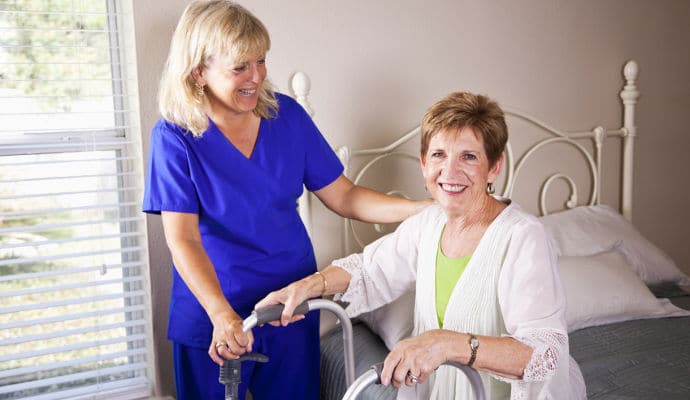

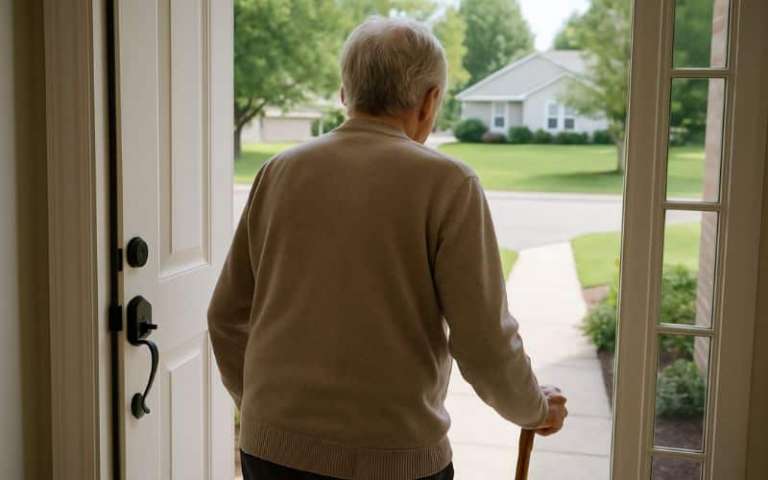
Choosing the best retirement home in florida depends on understanding the level of care needed. Touring facilities, meeting staff, and interacting with current residents provide valuable insights for making an informed choice.