













In the quiet moments between doctor's appointments, medication schedules, and the endless list of to-dos, have you ever felt a wave of emotion so strong it seems to drown out everything else? You are not alone.
The journey of caregiving, filled with profound love and deep responsibility, can also be a path where stress and overwhelm feel like constant companions. What if the key to finding your next breath of calm wasn't a complicated strategy, but a simple, one-minute exercise with a pen and paper?
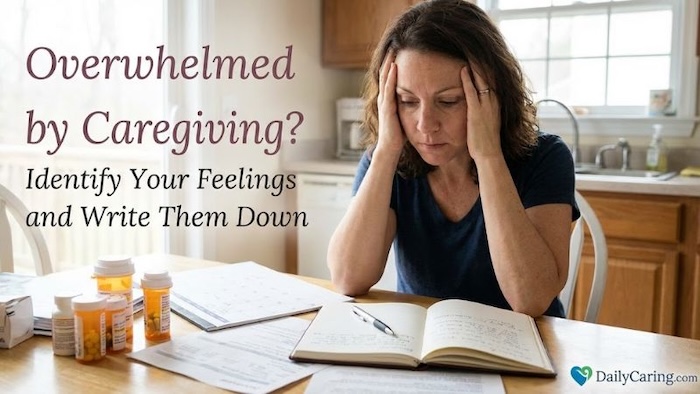
Inspired by a psychological technique called “affect labeling,” this quick coping tip offers a lifeline; a way to gently name the storm of feelings, acknowledge their weight, and in doing so, begin to loosen their grip. Let's explore how pausing to identify and write down your emotions can become a powerful tool for resilience in your caregiving day.
This Coping Tip Can Help When Caregiving is Overwhelming
Caring for an older adult means a lot of responsibility and worry. Feeling overwhelmed by caregiving can seem unavoidable.
We found a simple coping tip from Quartz called “affect labeling”.
It helps when you’re feeling overwhelmed or anxious by reducing the emotional impact of those feelings and jump-starting the de-stressing process.
We share key information from the article that explains how to use the affect labeling technique when caregiver stress becomes too much, and why it works so quickly.
Quickly Reduce Stress by Identifying Those Feelings and Writing Them Down
The next time the stress, anxiety, or negative feelings become overwhelming, grab a pen and some paper.
Write down a couple of words that describe your emotions. Don’t think too much about it, just write the words that pop into your head. This is commonly called “affect labeling”. Naming your emotional state.
It might sound too simple to be useful, but it’s been shown to reduce the impact of negative feelings and speed the calming process.
Using affect labeling to reduce feelings of overwhelm is perfect for busy caregivers. It only takes a minute to notice how you’re feeling and give it a name.
That simple action immediately dulls the impact of those negative emotions.
Why “Affect Labeling” Reduces Caregiver Stress
Putting a name to how you’re feeling and what you’re going through is a surprisingly effective way to feel better.
Labeling it means that it’s a “real” thing and that other people have experienced this emotion too – you’ll feel less isolated.
Quartz also points out that affect labeling is a simplified, quicker version of the 3-step self-compassion model.
If you have a little more time, try these 3 steps:
- Admit that a situation is painful or uncomfortable.
- Recognize that pain and discomfort are a normal part of being human.
- Do something healthy to feel better, like going outside for some fresh air, stretching, or calling a friend.
Final Thoughts on Reducing Caregiver Stress
Remember, caregiving is a marathon, not a sprint, and your emotional well-being is the most essential gear you carry. This simple practice of naming your feelings is more than just a coping tip; it's a compassionate act of self-recognition.
By giving your experiences a label, you validate your own journey and connect to the shared human experience of challenge and care. On the days when the weight feels heaviest, return to this pen-and-paper refuge.
Start with one honest word, and let it be the first step back to your own center. You are doing extraordinary work, and it all begins with granting yourself the same grace and understanding you so freely give to others.
Next Steps: Find out more about how affect labeling calms stress and anxiety in the full article at Quartz
Recommended for you:
- Managing Stress for Caregivers: 7 Calming Techniques for Stressful Situations
- 3 Ways to Prevent Caregiver Stress and Burnout
- 15 Affordable Stress Relief Products That Help Caregivers Relax and Unwind
About the Author

Connie is the founder of DailyCaring.com and was a hands-on caregiver for her grandmother for 20 years. (Grandma made it to 101 years old!) She knows how challenging, overwhelming, and all-consuming caring for an older adult can be. She also understands the importance of support, especially in the form of practical solutions, valuable resources, and self-care tips.