











When a loved one begins showing early signs of memory loss, a standard 10-minute screening like the MoCA or MMSE is often the first step. However, in 2026, we know that these “bedside” tests can miss subtle cognitive shifts, especially in high-functioning adults.
If a screening test is inconclusive but “gut feelings” suggest otherwise, the next clinical step is neuropsychological testing. This comprehensive evaluation goes beyond simple recall to map the brain's functional landscape.
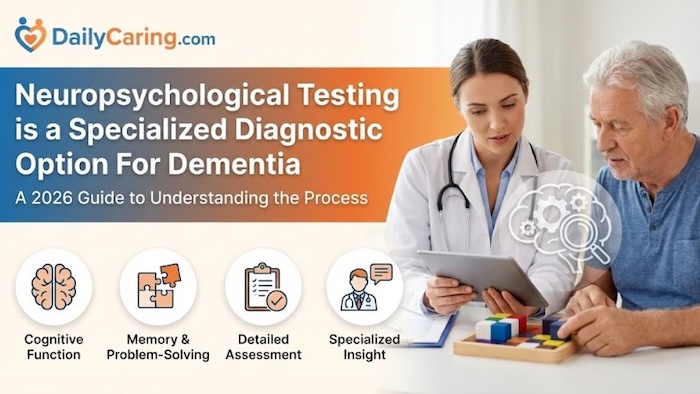
What is Neuropsychological Testing?
A neuropsychological assessment is a deep-dive evaluation conducted by a neuropsychologist – a doctor specializing in how brain structures affect behavior and thought processes. Unlike a quick screening, this process typically lasts 2 to 5 hours and provides an objective “map” of cognitive strengths and weaknesses.
The 2026 Diagnostic Toolkit: Digital & AI Integration
In recent years, the field has moved from “pencil-and-paper” tasks to sophisticated digital platforms. These tools provide immediate, bias-free data that can be tracked over time.
| Cognitive Domain | What It Measures | 2026 Tech Integration |
|---|---|---|
| Executive Function | Reasoning, planning, and multitasking. | FDA Class II Digital batteries like BrainCheck. |
| Language & Speech | Fluency, word retrieval, and syntax. | AI-Driven Speech pattern analysis for early MCI detection. |
| Memory & Learning | Short-term recall and information retention. | Validated Comparison against global age-matched cohorts. |
| Visuospatial Skills | Depth perception and object relationship. | Digital “puzzle” tasks that eliminate manual drawing bias. |
When Should You Request a Referral to a Geroneurophychologist?
You should consider a referral to a geroneuropsychologist if:
- The “Worried Well” Gap: The senior scores “normal” on a mini-mental exam but struggles with complex daily tasks like finances.
- Differential Diagnosis: It’s unclear if the symptoms are caused by Alzheimer’s, depression, or a vascular issue.
- Establishing a Baseline: You want a precise record of current function to measure how future treatments or lifestyle interventions are working.
The Caregiver Advantage: Why Accuracy Matters When Diagnosing Dementia
An earlier and more accurate diagnosis through neuropsychological testing isn't just a label; it’s a roadmap for the family. In 2026, this testing often guides personalized care planning and determines if a patient is a candidate for the latest targeted therapies.
By identifying exactly which parts of the brain are affected, families can stop guessing and start implementing specific safety measures and support systems that respect the senior's remaining strengths.
How to Find the Right Specialist for Your Loved One
Navigating the healthcare system can be overwhelming, especially when you’re looking for high-level specialized care. To help you find a qualified professional, we’ve gathered the most reliable, board-certified directories in one place.
Simply click on a directory below to search by your zip code. We recommend starting with the AACN Directory, as it specifically highlights specialists who have met the highest standards of clinical excellence.
Once you’ve found a few local options, use our Caregiver Interview Kit below to ensure the provider is the right fit for your family’s specific needs.
Use these verified national directories to find a Board-Certified Neuropsychologist in your local area.
The “Neuropsychologist Interview” Checklist
In 2026, finding a specialist is only half the battle; ensuring they are the right fit for an older adult is key. You can include this checklist in your article to help caregivers “vet” the doctor:
- Board Certification: Is the provider specifically certified by the American Board of Clinical Neuropsychology (ABCN) or ABN?
- Geriatric Specialization: Do they specialize in aging and dementia, rather than pediatric or general brain injury?
- Virtual vs. In-Person: Do they offer “hybrid” assessments? Modern tools like Minder Memory now offer virtual evaluations for seniors with mobility issues.
- Feedback Session: Will they provide a dedicated follow-up meeting to explain the results in “plain English” to the family?
Free Interview Checklist
Ensure you're asking the right questions about board certification, technology, and care planning.
Conclusion: Empowering Your Caregiving Journey
Navigating a potential dementia diagnosis is one of the most challenging chapters of caregiving. While a neuropsychological evaluation is a significant time commitment, the clarity it provides is invaluable.
In 2026, we no longer have to rely on guesswork or simple memory screenings. By leveraging specialized expertise and modern diagnostic tools, you can move from uncertainty to a clear, actionable plan that prioritizes your loved one's safety, dignity, and quality of life.
Remember, you aren't just looking for a diagnosis, you're looking for a roadmap. With the right specialist and the right questions, you can ensure your “village” has the information it needs to provide the best possible care.
Disclaimer: Information provided is for general guidance only. We recommend consulting a specialist for individual medical concerns.
Recommended for you:
- 5 Benefits of an Early Alzheimer’s Diagnosis
- Testing for Dementia: Why the Mini Mental Status Exam Isn’t Enough
- Testing for Dementia: The Montreal Cognitive Assessment (MoCA)
About the Author

Chris is a seasoned healthcare executive and entrepreneur from the Pacific Northwest. He strongly advocates for older adults and the caregivers who serve them. Chris has personal experience caring for his father, who had dementia. Chris is a technology enthusiast and an avid outdoorsman; if he's not in his office, he can usually be found on a golf course or fly-fishing out west somewhere.