













Problems in assisted living are a common challenge for families. Our friends at Seniorly have helped hundreds of families work through their care needs, hesitations, and concerns about senior living. Here, they share their problem-solving expertise with the DailyCaring community.

Families worry about causing conflict
Sometimes, problems arise in a senior living community, and it can be hard for residents and family members to know how to express their concerns.
Families are worried that speaking up will cause conflict with community staff and spark retaliation against their older adult. Residents are often unable or unwilling to stand up for themselves in these troubling situations.
Advice on handling 7 common problems in assisted living
To answer 7 questions about common problems, two Seniorly experts share tips learned from their experience working with families and senior living communities. Kurt Brown is a family coordinator, and Marlena del Hierro is the resident gerontologist and manages customer engagement.
1. What are the most common complaints you hear about assisted living communities?
Kurt: Medication management, not being encouraged to participate in activities or not enough activities, not being bathed as often as needed, or feeling that there could be animosity between families and staff members from family members showing up unannounced. Families also express their frustration at being treated like micro-managers.
Marlena: The majority of complaints within assisted living communities typically focus on care concerns. For example:
- Families do not feel their loved one is receiving the best care or attention.
- Caregivers are not as responsive to the resident’s needs as they should be.
- Quality care is just not being provided.
2. What is the biggest factor driving people to move out of their community?
Kurt: It comes down to care or pricing. For example, many communities raise their prices as additional care needs increase, which can be difficult for families on a strict budget. Another factor may be that the resident just doesn’t get along well in the community.
Family will sometimes take the loved one out if they don’t think they're being cared for well enough. Location is also a big factor for families hoping to stay close together.
Marlena: The first major factor driving a resident to move out of a community is the resident is feeling unhappy. Feeling unhappy in a senior community is often due to socialization issues; sometimes getting more involved in activities can alleviate this concern.
The second factor is the resident’s care needs change, which can equate to increased costs. As care changes and costs rise, this may cause financial distress and affordability concerns, prompting families to consider lower-cost options.
3. What is the best solution you have for approaching these types of problems?
Kurt: Contact a Geriatric Care Manager to help you work through your concerns and offer viable solutions
Marlena: Before selecting a community, do your best to build an open relationship by asking questions and identifying care needs. This will kick off expectations on both sides.
As issues arise and needs change, keep close communication with the community to identify concerns. If things seem to stay the same, ask to set up a meeting with the administrator or wellness team to review the current care plan.
By law, every resident in a licensed RCFE (also known as assisted living or board & care homes) must be provided with an individualized care plan that should change over time as residents’ needs evolve.
4. Who is the greatest ally for older adults living in care homes?
Kurt: The Ombudsman. Their job is to be the advocate for residents and go in for investigations of complaints. And then there are compassionate staff members who are allies to residents and family members who can support their elders.
Marlena: Within licensed RCFE communities, the local Ombudsman is the greatest ally and advocate for residents. The local Long-Term Ombudsman Program is available toall residents and their families. Every community is required by law to post the local Ombudsman's contact information in the building.
5. Do you recommend that people stick it out or move on if they are unhappy?
Kurt: On a case-by-case basis. Sometimes problems can be solved with effective communication. Moving can often be very stressful for a resident, so it’s important to look at the bigger picture and decide if concerns can be resolved before moving.
Marlena: I recommend addressing frustrations, disappointments, and concerns with the community's management team. Do your best to address why you are unhappy and create a plan together to move forward.
Over time, observe how the community responds to this new plan. If things are stagnant and a resident’s safety is at risk, contact the local Ombudsman to discuss next steps. If a family decides they want to move their senior to a new community, Seniorly is one way to help them find quality options in the area.
6. How would you define effective communication between the concerned party and the community staff?
Kurt: Effective communication allows everyone to get their points across and to understand the situation from different perspectives. That way, needs are understood by someone who can help. Be clear about what you need, but also be empathetic listeners.
Marlena: Families and community staff are highly successful in communicating when they both express patience and honesty. Because of the large number of other residents who also have specific needs, it may take time to speak directly with community staff or to get accustomed to a change in care plan. Honesty among one another establishes growth and realistic outcomes.
7. What would your advice be to concerned family members?
Kurt: Communicate openly with the resident and community staff.
Marlena: Before selecting the right community, go through a series of questions and call or research the Community Care Licensing websiteto view state reports.
Once a community is selected, communication is key! Have open discussions with the community staff. It’s important to develop a good relationship with the people working within your home.
You might also like:
— Problems in Assisted Living: Should You Move Someone with Alzheimer’s?
— 5 Things You Need to Know About Assisted Living
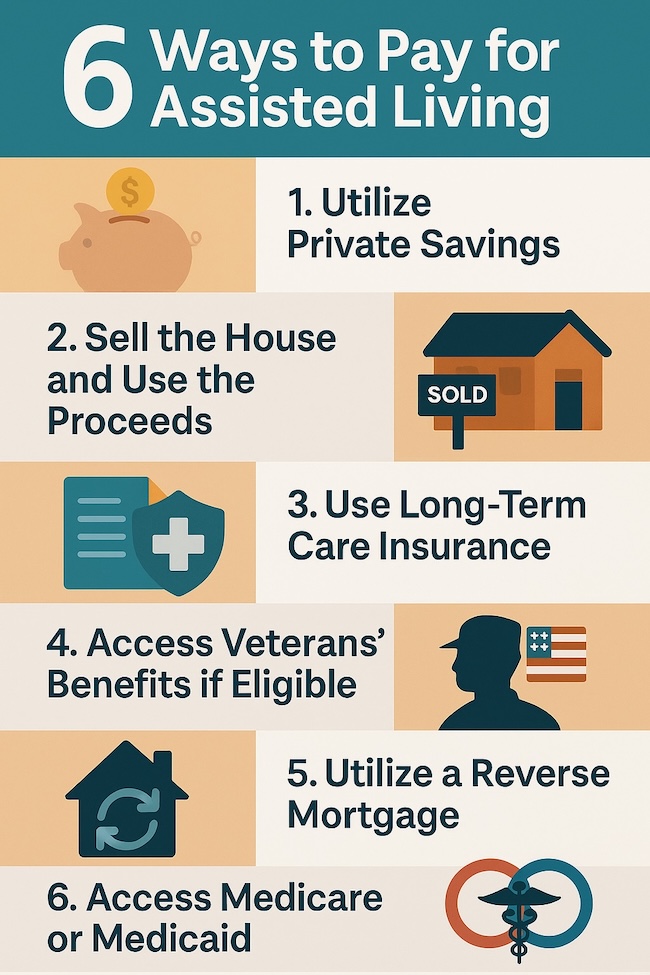
— How to Pay for Assisted Living: 6 Options
Guest contributor: If you have a loved one who is unhappy in their community, it may be time to consider moving to a new home. The Seniorly Team can help you find a better living situation by offering a free consultation with a Seniorly Gerontologist, setting up tours with local housing providers, and providing follow-up services to ensure your loved one is happy in their new community.
About the Author
https://mashable.com/2016/09/15/seniorly-airbnb-assisted-living/, https://www.businesswire.com/news/home/20161003006590/en/Seniorly-Partners-Institute-Aging-Provide-Seniors-Comprehensive


How do I get my old job in trouble on some workers in there and team leaders as well. How they do things and talk to some of them in there.
It sounds like you’d like to report inappropriate behavior of staff in a care community. You might want to contact your local ombudsman’s office. More info here – Nursing Home Complaints? The Ombudsman Is on Your Side https://dailycaring.com/nursing-home-complaints-the-ombudsman-is-on-your-side/
hello, thank you for the informative dialog. my question is I removed my aunt from a facility after only 38 days because she fell 5 times and I also had other problems with the community which were being addressed, But now they owe monies and I requested arbitration to receive monies back and to settle the account they refuse to address the situation since they got horribly nasty about the move. Called the Ombudsman she said there is nothing she can do. What would be my next step ? please
I’m so sorry about this terrible experience. You may want to contact an elder law attorney (or any attorney with experience with these matters) to find out what your options are. You may also try contacting the ombudsman’s office again to see if there’s anyone else there that you could speak to who would be more helpful.
Here are a couple of articles that may be helpful:
— How an Elder Law Attorney Can Help Seniors and Caregivers https://dailycaring.com/how-an-elder-law-attorney-can-help/
— 5 Tips for Choosing a Good Elder Law Attorney https://dailycaring.com/how-to-find-an-elder-law-attorney-you-can-trust/
— Nursing Home Complaints? The Ombudsman Is on Your Side https://dailycaring.com/nursing-home-complaints-the-ombudsman-is-on-your-side/
[…] Continue reading it below San Miguel is known for its vibrant artisan community. How to Deal with Problems in Assisted Living: Answers to 7 Top Questions – DailyCaring. […]