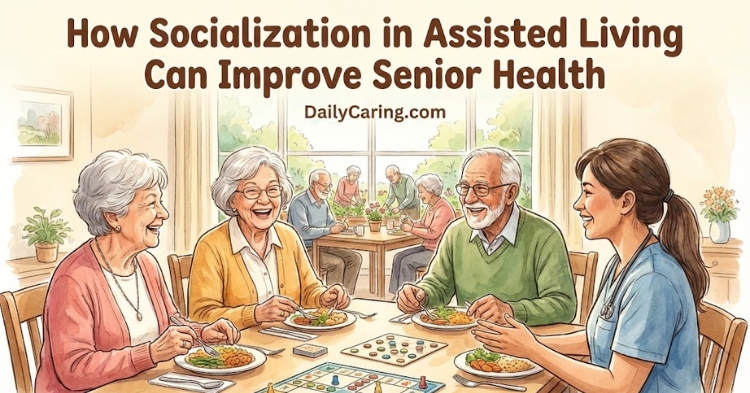













For decades, they’ve shared everything: morning coffee, family secrets, and the quiet comfort of a life built together. So, when a doctor or care manager suggests that Mom needs memory care while Dad remains in assisted living, the news can feel like a secondary heartbreak.
Ideally, couples stay together. But when assisted living for couples with different needs requires them to live in separate wings, or even different buildings, the transition is often more taxing on the heart than the logistics.
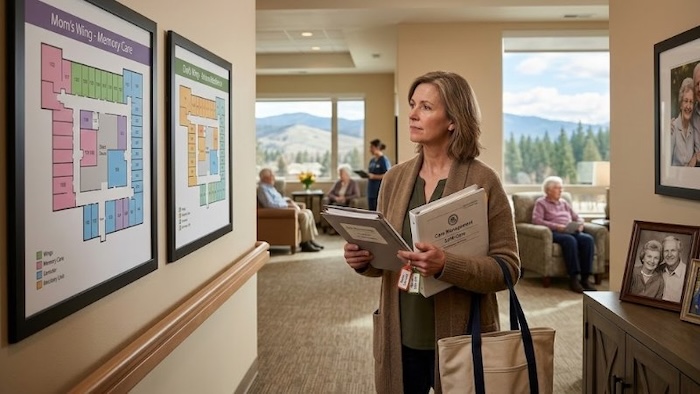
If you are navigating this right now, you aren't just a caregiver; you are the architect of their connection. Here is how to help your parents thrive while living apart.
Why Separation Happens in Assisted Living: The Reality of Different Care Levels
As we age, health rarely declines at the same pace. One partner may struggle with physical mobility, while the other faces cognitive challenges. Most facilities require a move to a separate unit when one partner requires “higher-acuity” care, such as Specialized Memory Care or 24/7 nursing.
According to the National Institute on Aging, choosing the right residential care is a balance of safety and quality of life. Sometimes safety necessitates a separate door, but that doesn't mean it closes the relationship off.
The Silent Transition: The “Well” Spouse’s Journey
While much of the focus naturally falls on the parent moving into memory care or nursing support, the partner staying behind in assisted living faces their own profound transition. Often described as “The Empty Room Syndrome,” it is a unique form of grieving a living loss.
Returning to a quiet apartment after decades of morning coffee and shared routines can trigger intense loneliness, abandonment, or even a sense of failure.
It is essential to validate that the “well” spouse isn't just a visitor, they are a partner navigating a major life change. Helping them find their own rhythm in the community, perhaps by joining a new social group or speaking with a grief counselor, is just as vital as Mom or Dad’s clinical care. When the “well” spouse feels supported, they are better equipped to be the emotional anchor the other partner needs.
4 Strategies to Help Your Parents Cope with Separation in Assisted Living
Helping couples in assisted living with different care levels stay connected requires intentionality.
1. Protect the “Anchor” Routines
If they shared breakfast for 50 years, that routine shouldn't end. Work with the facility to ensure they have at least one meal together daily. These “anchor points” provide a sense of normalcy that prevents the depression often associated with late-life separation.
2. Leverage “Grandchild Technology”
For a parent in memory care, a tablet can be a window. Set up simple video calls for the times when they aren't physically together. Seeing each other’s faces before bed can drastically reduce “sundowning” anxiety and loneliness.
3. Curate a “Shared” Environment
Even if they sleep in different rooms, the rooms should feel like the same home. Use identical photos, the same scent of laundry detergent, or matching quilts. This sensory continuity helps both parents feel that they still belong to one another.
4. Be the Communication Bridge
The Mayo Clinic emphasizes that clear communication with care staff is vital. Ensure that the staff in both units are aware of the couple's history. When caregivers see them as a “unit” rather than two separate patients, they are more likely to facilitate extra visits or updates.
Navigating the “Split-Care” Bill: Financial Realities
One of the most immediate stressors for families is the financial impact of maintaining two separate care levels. In many facilities, moving one spouse to a higher-acuity unit can significantly increase the monthly bill, potentially doubling certain costs. However, you aren't always stuck with the “sticker price.”
Many senior living communities offer “companion rates” or “couple’s discounts” even when the pair lives in different wings. It is also crucial to review any existing long-term care insurance policies or state Medicaid waivers, as some may provide partial coverage for specific care tiers.
Don't be afraid to sit down with the facility’s billing director to ask for a “split-care” consultation; being proactive can often uncover bridge-funding options you didn't know existed.
The 30-Day Adjustment Zone: Setting Realistic Expectations
Transitioning to separate care levels isn't a single event—it’s an emotional process. Most families find that it takes about 30 days for the “emotional dust” to settle. Knowing what to expect during this window can help you (and your parents) navigate the bumps without feeling like the move was a mistake.
Expect “visitor's guilt” and potentially more confusion from the parent in memory care. This is the hardest week. Stay consistent with your visits, but keep them short if they become too overwhelming for either parent.
The “well” spouse begins to find their own rhythm in the assisted living unit. You’ll start to see which times of day are best for visits and which routines (like a 2:00 PM coffee) are sticking.
By now, the staff in both units should know the couple’s history. You'll likely notice a decrease in transition-related anxiety as the environment becomes familiar.
Pro-Tip: Give yourself (and them) grace. If a visit goes poorly in Week 2, it doesn't mean the plan is failing—it just means it's Tuesday.
The Connection Checklist
Practical ways to bridge the gap between different care levels
| Action Item | Why It Works | Effort |
|---|---|---|
| Shared Mealtime | Maintains a 50+ year social routine and naturally boosts appetite through companionship. | MEDIUM |
| Digital “Goodnight” | Reduces evening anxiety (sundowning) and builds vital emotional security before sleep. | LOW |
| Staff Advocacy | Ensures the “couple identity” is respected by caregivers across both units. | HIGH |
Need more help? Visit the AARP Caregiving Resource Center for expert support.
Conclusion: Redefining What “Together” Means
At the end of the day, “together” is more than a shared room or a matching door number – it’s the invisible thread of history, love, and commitment your parents have woven over a lifetime. While navigating assisted living for couples with different needs is undoubtedly one of the hardest chapters a family can face, it is not the end of their story.
By protecting their anchor routines, advocating for their “couple identity” with facility staff, and being patient during the initial 30-day transition, you are doing more than managing care; you are honoring a legacy. You are helping them find a new way to be “together” in a different season of life.
As you guide them through this, remember that your own well-being is the fuel for this entire journey. Whether you are looking for practical tips for family caregivers or just need a moment to breathe, know that you are doing the beautiful, necessary work of bridging the gap for the people you love most.
Next Steps: Get more of our coping tips for supporting parents living separately at The Dollar Stretcher
You might also like:
— Senior Housing Experts Help Seniors Find the Perfect Place to Live
— Get Family to Visit Seniors with a Free Reminder Service
— How to Prevent Social Isolation in Seniors
About the Author

Chris is a seasoned healthcare executive and entrepreneur from the Pacific Northwest. He strongly advocates for older adults and the caregivers who serve them. Chris has personal experience caring for his father, who had dementia. Chris is a technology enthusiast and an avid outdoorsman; if he's not in his office, he can usually be found on a golf course or fly-fishing out west somewhere.