










Avoid Conflict When Helping Seniors at Doctor’s Appointments

caregiver tips

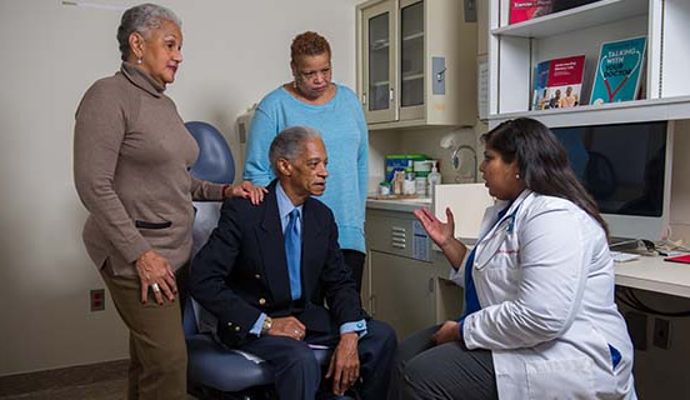
Doctor’s visits can be a caregiving challenge Accompanying your older adult to their doctor’s appointments is essential, but can be a tough challenge. While you’re there, you might disagree on what to discuss, they might lie about their symptoms, or they may refuse to discuss sensitive topics. It can also be tough to find the right balance between letting them speak for…

5 Questions to Ask Doctors About Tests and Treatments for Seniors

Key questions that help you understand the doctor’s recommendations for tests and treatments for seniors

Seniors may not always benefit from tests and treatments When you’re working with doctors to help your older adult get the best care possible, how do you know if a recommended treatment or test will be helpful or harmful? Or, if it’s truly necessary? Doctors are experts when it comes to medicine and treating diseases, but you are the expert when it…

7 Tips for Helping Aging Adults at the Doctor’s Office

7 tips for helping seniors at their doctors appointments.

Walking into a doctor’s appointment with an aging loved one can feel like stepping onto a fast-moving train. Between the medical jargon, the limited time, and the anxiety your loved one may feel, critical information and concerns can easily be left behind at the station. In these high-pressure moments, your role shifts from companion to essential health advocate. You are not just…

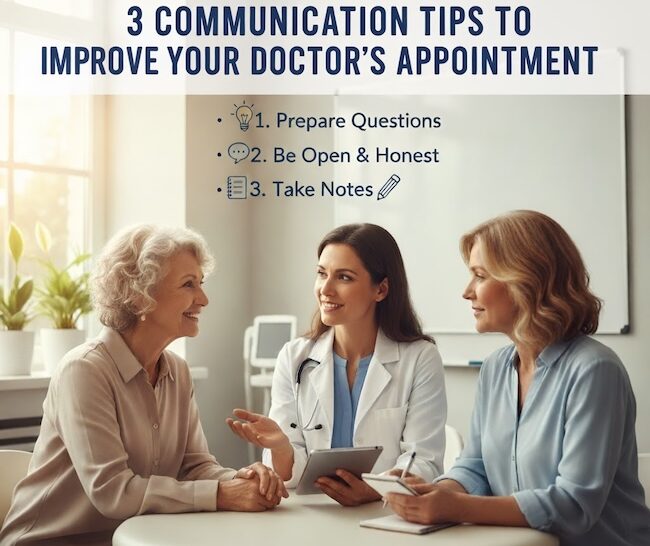
3 Communication Tips to Improve Your Doctor’s Appointment

Better communication with your loved one's doctors can improve health results for all involved.

Does a doctor’s appointment with your loved one often feel like a missed opportunity? You leave the office only to remember a critical symptom you forgot to mention or a question you left unasked in the rush. You’re left with a handful of instructions you only half-remember and the sinking feeling that the 15-minute slot wasn’t nearly enough. This common frustration doesn’t…

7 Reasons Seniors Need a Health Advocate

Aging adults can really benefit from having a health advocate in their corner.

Imagine your loved one sitting in a doctor’s exam room, faced with a complex diagnosis and a confusing array of treatment options. The medical jargon sounds like a foreign language, the pressure to decide is immense, and fear makes it difficult even to form a question. In this overwhelming moment, every aging adult needs more than just a companion in the chair…

4 Ways to Know If Seniors Need to Return to the Hospital

hospital

How to know if recovery is going well or not After a hospitalization, the last thing anyone wants is for your older adult to have to return to the hospital. But recovery doesn’t always go smoothly and seniors could suddenly take a turn for the worse. If that happens, it’s important to go back to the hospital for immediate medical attention. There…

6 Ways to Advocate for Seniors and Provide Support During a Hospital Stay

advocate for seniors

Seniors need extra support when they’re in the hospital A stay in the hospital can be confusing, scary, and painful. When your older adult is seriously ill or after a medical emergency, they need extra support during their hospital stay. Having an advocate, emotional support, and extra assistance reduces the risk of common complications like delirium and can help speed up their…

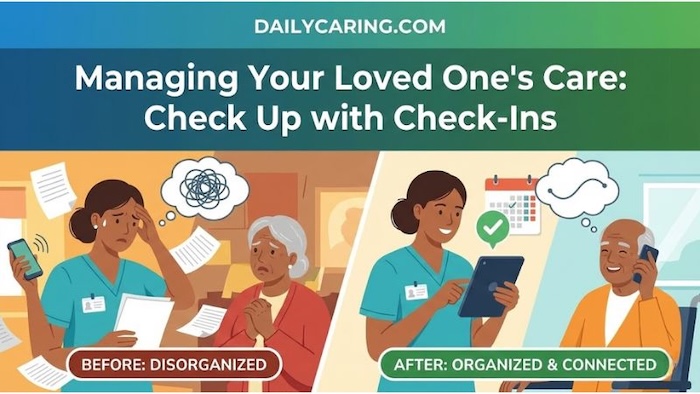
Managing Your Senior’s Care: Check Up with Check-Ins

caring for seniors

There are many people involved in your older adult’s care: doctors, nurses, physical therapists, in-home caregivers, assisted living staff, family, friends, and others. As their primary caregiver and health advocate, it’s important to have a complete picture of their current health and any concerns. To do that, it’s necessary to get regular updates from the care team. Based on her experience caring…