










Debunking the Top 5 Myths About Hospice

Debunking myths about hospice.

Many families delay considering hospice care because of widespread misconceptions – fearing it means “giving up” or accelerates death. In reality, hospice focuses on quality of life, providing comfort, pain management, and emotional support when curative treatments are no longer beneficial. To help families make informed decisions, we’re debunking five common hospice myths, from who qualifies to how it works. Understanding the…

9 Top Questions About Palliative Care vs. Hospice Care

Palliative Care vs. Hospice Care- let our experts help explain the difference between these two unique comfort care options.

These two services are often confused, so it’s essential to understand the key differences and benefits of palliative care vs. hospice care. Depending on their health conditions, one or both of these services could significantly improve your older adult’s quality of life. We explain the key differences and answer nine common questions about palliative care vs. hospice care. What’s the Difference Between Palliative Care…

End-of-Life Conversations: Tips from the Experts

Alzheimer's end of life

Let’s be honest: few conversations feel more daunting than those about end-of-life wishes, especially when a loved one has Alzheimer’s. The fear of saying the “wrong thing,” causing upset, or not knowing where to start can cause us to put it off—even when we know it’s one of the most important discussions we’ll ever have. But what if you had a gentle,…

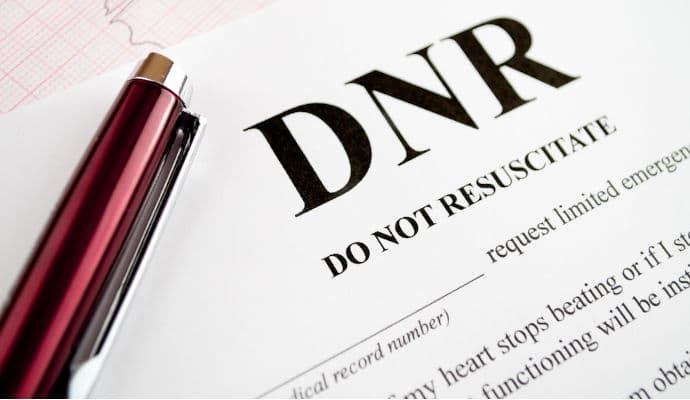
What Is a Do Not Resuscitate Order (DNR)?

A DNR (Do Not Resuscitate) order tells EMTs and hospitals not to do CPR if someone stops breathing or their heart stops

A DNR is a signed medical order written by a doctor.  DNR stands for Do Not Resuscitate and tells health care providers and emergency medical personnel not to perform CPR on an older adult if they stop breathing or if their heart stops beating. Understanding a DNR is a profound way to honor a loved one’s wishes for a peaceful and dignified transition.…

The Top Questions to Ask a Hospice Provider

The top questions to ask a hospice provider when you need end-of-life-care.

The decision to transition a loved one to hospice care is often made during one of life’s most tender and difficult moments. It’s a choice rooted in compassion, focused on comfort and quality of life when time becomes precious. Yet amid the emotional weight of this decision, families face another critical task: choosing the right hospice provider. This isn’t just about selecting…

5 Essential End-of-Life Documents for Seniors

end of life documents

Avoiding end-of-life conversations is a natural tendency. But not having the proper legal documents in place could create big problems and possibly become very expensive if your older adult becomes incapacitated or suddenly passes away. Bestow shares 5 essential end-of-life documents that seniors need to complete.   When it comes time to face end-of-life issues, the majority of Americans are unprepared. According…

What You Need to Know About Feeding Tubes for Seniors with Dementia

dementia feeding tube

Be able to make an informed decision about feeding tubes Most people in the late stage of Alzheimer’s or dementia have trouble eating and drinking. They may lose weight, become weak, or develop pressure sores. Or, food particles could get into their lungs and cause pneumonia. When that happens, families may be asked if they want to put in a feeding tube.…

5 Myths about Dying

We address the five biggest myths about dying.

Understanding the facts about dying reduces guilt and fear.

What Is a Living Will and Why Do Seniors Need One?

living will

Discussing end-of-life wishes benefits seniors and caregivers It’s hard to think about end of life, especially when your older adult isn’t at that stage, but it’s critical to prepare for it ahead of time. Understanding your senior’s wishes before a health crisis means that you and the rest of the family won’t be forced to make those difficult choices in the middle of…