













With the global high-flow oxygen therapy market projected to grow significantly through 2026, more families than ever are managing home oxygen systems. For the estimated 1.5 million Americans relying on these devices, regular maintenance isn't just about protecting an expensive investment – it's a critical safety measure.
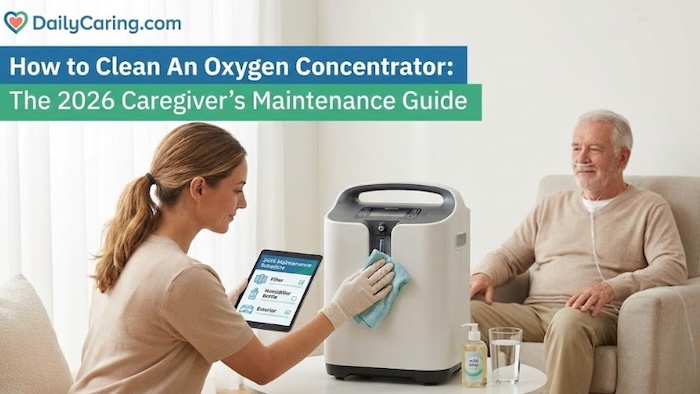
Improperly cleaned filters and tubing can harbor dangerous pathogens, increasing the risk of respiratory flare-ups in loved ones with COPD or other chronic lung diseases.
2026 Home Oxygen Concentrator Market Snapshot
2026 Home Oxygen Snapshot
Proper maintenance is the first line of defense against home hazards and health complications.
- • Safety Alert: Home oxygen fire-related deaths occur every 4 days in the US, often linked to smoking or proximity to heat sources.
- • Lifespan: With routine preventive maintenance, a concentrator's useful life can exceed 7 years.
- • Filter Tech: 2026 models feature smarter HEPA filters that can block up to 99.9% of airborne particles.
Today's Oxygen Concentrators Leverage “Smart” Connectivity for Remote Monitoring
As we move through 2026, many of the latest oxygen concentrator models now feature integrated “smart” connectivity. Using Bluetooth or Wi-Fi, these devices sync with smartphone apps that let you monitor the machine’s oxygen purity levels, battery life (for portable units), and total runtime in real time.
For a caregiver, this technology is a game-changer; it provides the peace of mind of knowing that a loved one's equipment is functioning perfectly from another room—or even while you are out running errands. If your model supports it, be sure to set up these alerts so you are immediately notified of any purity drops or mechanical issues.
Step-by-Step: How to Clean a Home Oxygen Concentrator
Step-by-Step Maintenance Routine
To keep the oxygen flow healthy and the machine running efficiently, follow this updated three-tier cleaning protocol.
1. Weekly: The External “Deep Wipe”
Dust is the primary enemy of oxygen purity. At least once a week, unplug the unit and wipe the exterior with a soft cloth dampened with mild dish soap and warm water.
- Pro Tip: Avoid using petroleum-based cleaners or alcohol on the machine's body, as they can be flammable and damage the plastic.
2. Weekly: The Particle Filter
The particle filter traps dust, hair, and other particles before they enter the compressor.
- Cleaning: Remove the filter per the manufacturer’s instructions and rinse under warm water.
- Important: The filter must be 100% dry before you reinsert it. A damp filter can cause internal mold growth or electrical shorts.
3. Daily to Weekly: Nasal Cannula Hygiene
The cannula is in direct contact with the user's airway and must be kept sterile.
- Daily: Inspect for kinks and wipe the prongs with a clean, damp cloth.
- Weekly: Soak the cannula in warm water with mild soap, then rinse in a 1:10 water-to-white-vinegar solution to kill bacteria.
| Component | Maintenance Frequency | When to Replace |
|---|---|---|
| Nasal Cannula | Daily Wipe / Weekly Wash | Monthly (2 months if used intermittently) |
| Particle Filter | Weekly Cleaning | Every 6–12 months or if damaged |
| Humidifier Bottle | Wash every 3 days | Every 3–6 months |
| Internal HEPA Filter | N/A (Professional Only) | Annual Professional Service |
Oxygen Concentrator Safety Tips for 2026
- Fire Safety: Keep the unit at least 10 feet away from any heat source, including matches, heaters, and electric razors. In 2026, experts strongly recommend installing thermal fuses in the oxygen line to automatically shut off oxygen flow in the event of a fire.
- Airflow: Maintain 1–2 feet of clearance between the concentrator and walls or furniture to allow the compressor to “breathe” and prevent overheating.
- Water Quality: Always use distilled or sterile water in humidifier bottles. Tap water contains minerals that can clog the machine and pathogens that can cause lung infections.
The Essential Role of the Pulse Oximeter
While the oxygen concentrator's job is to deliver the air, a pulse oximeter’s job is to ensure that the air is actually reaching your loved one’s bloodstream. In 2026, respiratory therapists consider a high-quality pulse oximeter an essential companion to home oxygen therapy.
By regularly checking your loved one’s blood oxygen saturation, you can verify that the machine is set to the correct flow rate and that their lungs are effectively processing oxygen. If the machine appears to be running correctly but the oximeter shows a significant drop in saturation, it’s a clear signal to contact a healthcare provider immediately.
Oxygen Concentrator Weekly Cleaning Checklist
Make Sure You Have an “Emergency Power Plan” for your Home Oxygen Concentrator
For families relying on medical equipment, a power failure is more than a minor inconvenience; it is a high-stakes emergency. As we move through 2026, severe weather patterns and grid strain have made comprehensive backup planning an essential part of home care.
The table below outlines a critical “Emergency Power Outage Plan” designed specifically for oxygen concentrator users and their caregivers. By following these steps before the lights go out, you can ensure a seamless transition to backup life-support systems.
Next Steps for Caregivers
Beyond the machine itself, remember that respiratory health is often a component of managing multiple chronic diseases. For more detailed safety resources, the American Lung Association provides updated 2026 guidelines on maintaining lung health during environmental emergencies.
Final Thoughts on How to Clean An Oxygen Concentrator
Managing home oxygen can feel like a heavy responsibility, but remember that a clean machine is a reliable one. By spending just 15–20 minutes a week on these maintenance steps, you aren’t just preserving an expensive piece of medical equipment; you are directly protecting your loved one’s lung health and ensuring they receive the pure, life-sustaining oxygen they need.
In 2026, oxygen technology has made these devices quieter and more efficient than ever, but they still rely on your “human touch” to stay sterile. Keep your checklist handy, rotate your spare parts, and don't hesitate to contact your respiratory therapist if anything feels “off.”
Help Other Caregivers Stay Safe
If you found this 2026 oxygen maintenance guide helpful, please share it with your community. A single tip could prevent a fire or a hospital visit.
Medical Disclaimer: This content is for informational purposes only and is not a substitute for professional medical advice, diagnosis, or treatment. Always consult your physician regarding medical conditions or equipment maintenance. Never disregard professional advice based on something you read here. In a medical emergency, call 911 immediately.
Recommended for you:
- Prevent and Manage the 10 Most Common Chronic Diseases in Older Adults
- Palliative Care Improves Seniors’ Quality of Life
- Better Senior Health from Improved Doctor Visits: 3 Communication Tips
About the Author

Chris is a seasoned healthcare executive and entrepreneur from the Pacific Northwest. He strongly advocates for older adults and the caregivers who serve them. Chris has personal experience caring for his father, who had dementia. Chris is a technology enthusiast and an avid outdoorsman; if he's not in his office, he can usually be found on a golf course or fly-fishing out west somewhere.