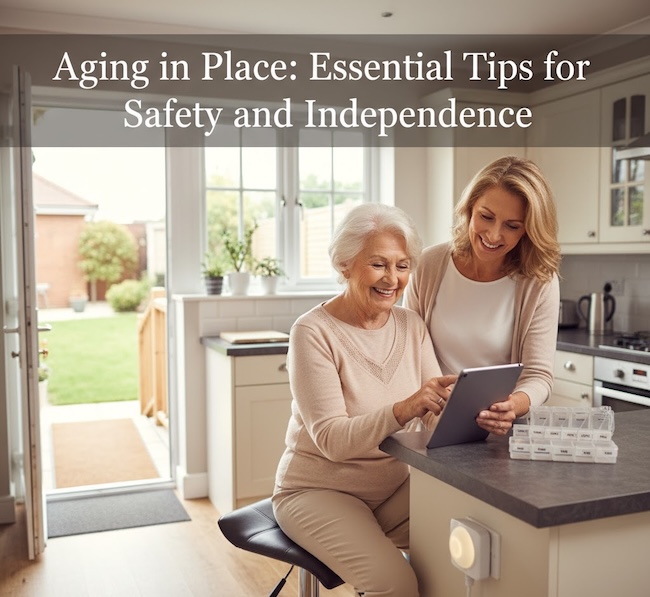












Did you know that 60% of falls happen inside the home? Or that the average cost of assisted living has risen to over $5,000 per month in 2026?
Making an older adult’s home safer isn't just about peace of mind; it's a financial investment. The good news is that you don’t need a $10,000 renovation to make a difference. By focusing on the “gateways” of the home, the doors, you can dramatically improve safety and independence for a fraction of the cost.
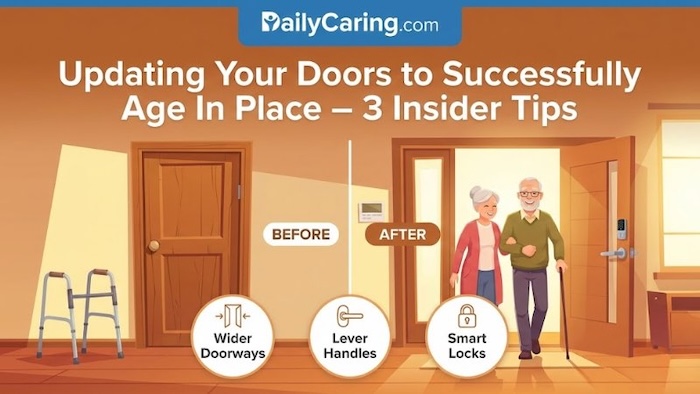
Here are 3 insider tips to modernize your doors for 2026.
3 Insider Tips to Modernize Your Entry Way Doors in 2026
1. The “2-Inch” Trick: Offset Door Hinges
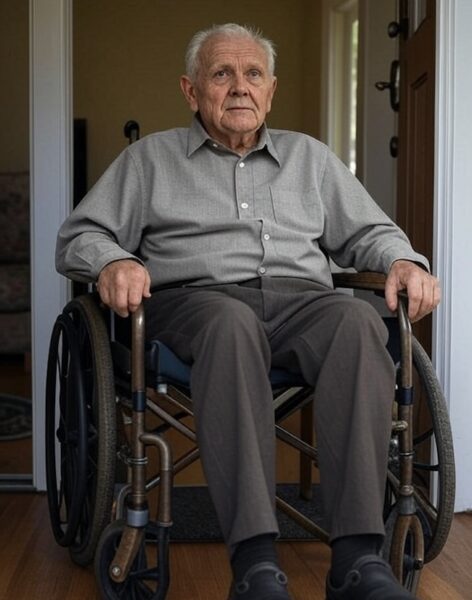
Standard interior doorways are often just 30 inches wide—too narrow for many walkers and wheelchairs. Physically widening a doorway involves tearing out drywall, relocating electrical switches, and spending upwards of $1,000 per door.
The Insider Fix: Replace standard hinges with Offset Hinges (also known as “Swing Clear” hinges). These unique hinges are shaped to swing the door completely clear of the frame when open. This simple swap instantly adds 2 full inches of clear width to the doorway.
- Cost: Approx. $25–$40 per pair.
- Effort: DIY-friendly (requires a screwdriver).
- Result: A wheelchair can pass through without scraping knuckles or the frame.
2. The “Smart” Entryway: Keyless Security
Replaces “Change Door Direction”
Fumbling for keys with arthritic hands is frustrating and dangerous, especially at night. In 2026, the “smart entryway” is the gold standard for aging in place.
The Insider Fix: Install a Smart Lock with a keypad or fingerprint scanner. For caregivers, this is a game-changer. You can unlock the door remotely for paramedics in an emergency, or check your phone to ensure Mom locked the front door before bed—all without driving over.
- Why it works: Eliminates the tripping hazard of dropping keys and the stress of being locked out.
- Bonus: Pair it with a Video Doorbell. With 35% of seniors now using them, they are a proven tool to screen strangers without opening the door.
3. Eliminate the “Trip Trap”: Threshold Ramps
Raised door thresholds are one of the most common tripping hazards in the home. For a shuffle-walker or wheelchair user, a 1-inch threshold might as well be a mountain.
The Insider Fix: Install Rubber Threshold Ramps. Unlike the ugly aluminum ramps of the past, modern rubber ramps come in neutral colors (black, grey, tan) that blend with flooring. They provide a smooth, gentle slope that eliminates the “lip” of the door frame.
- Safety Stat: Falls are the leading cause of injury for adults 65+, and eliminating uneven surfaces is the #1 prevention method.
Bonus Tip #4: See Who's There: Motion-Activated Lighting
A widened doorway and a smart lock are useless if you can’t see where you are stepping. Poor lighting is a major contributor to evening falls, especially when an older adult is trying to navigate a dark porch to unlock the door.
The Insider Fix: Install Motion-Sensor Lights. You don't need an electrician for this. Modern battery-operated or solar LED lights can be stuck directly to the doorframe or siding with heavy-duty adhesive. They automatically flood the entryway with light the moment someone steps near.
- Why it works: It instantly illuminates tripping hazards (like that Amazon package on the porch) and deters potential intruders.
- Pro Tip: Look for “dusk-to-dawn” sensors that only activate when it’s actually dark, so you don't have to change batteries constantly.
The Cost of Safety: Small Updates vs. Big Renovations
When we think of “accessible homes,” we often picture major construction projects that cost tens of thousands of dollars. But for most families, safety doesn't require tearing down walls; it requires smarter hardware.
With the average cost of assisted living now exceeding $5,000 per month, investing in these three strategic door updates isn't just a safety measure; it is one of the highest-ROI decisions a caregiver can make. See how a few simple changes compare to the alternative:
Final Thoughts: Start Small, Stay Safe
Updating a home for aging in place doesn't have to mean turning it into a construction zone. By focusing on these high-traffic “gateways,” you are doing more than just installing hardware; you are buying time and independence.
Whether you start with a simple pair of offset hinges or upgrade to a smart lock, every small change reduces the risk of a fall and makes daily life smoother for both you and your loved one. Don't feel pressured to do it all at once; pick the one door that causes the most frustration today, and solve that problem first.
Recommended for you:
- 7 Sources of Home Repair Assistance for Seniors
- 6 Affordable Ways to Create a Senior-Friendly Kitchen
- Home Modifications for Seniors: A Room-by-Room Guide
About the Author

Chris is a seasoned healthcare executive and entrepreneur from the Pacific Northwest. He strongly advocates for older adults and the caregivers who serve them. Chris has personal experience caring for his father, who had dementia. Chris is a technology enthusiast and an avid outdoorsman; if he's not in his office, he can usually be found on a golf course or fly-fishing out west somewhere.