













Visiting your parents is more than just catching up; in 2026, it is a vital opportunity to conduct an informal “wellness audit.” With 95% of adults over 55 now citing “aging in place” as their primary goal, your periodic visits are the first line of defense in keeping them safe and independent.
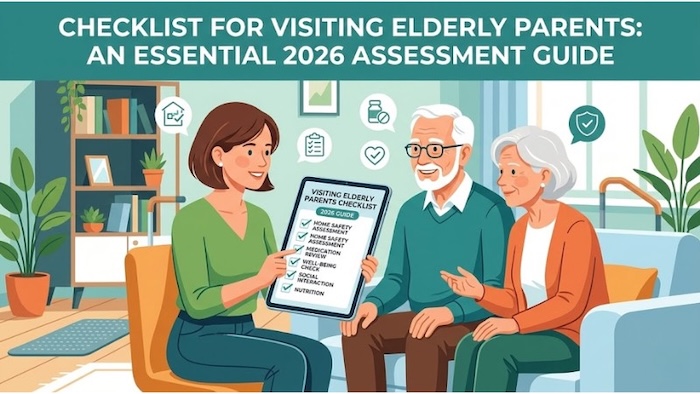
Subtle changes in appearance, habits, or the home environment often signal that extra support is needed. By using this updated checklist, you can spot early warning signs before a minor issue becomes a medical crisis.
- The Goal: Use your visit as a “wellness audit” to ensure safety and independence for aging in place.
- Top 3 Red Flags: Watch for unexplained weight loss, “furniture walking” (unsteady gait), and scorched cookware in the kitchen.
- The 2026 Edge: If ADLs (Activities of Daily Living) are slipping, consider non-intrusive AI sensors for remote health monitoring.
- The Strategy: Lead with specific observations to turn “interference” into “collaboration.”
The State of Aging in 2026: Why Observation Matters
As we move through 2026, the data is clear: 1 in 4 Americans is now a family caregiver, a figure that has surged due to the growing needs of the Sandwich Generation. Furthermore, home-based falls remain a critical risk, leading to nearly 3 million emergency department visits annually.
Home Visit Assessment Checklist for Visiting Your Aging Parents
When you visit, keep your “detective work” subtle to avoid putting your parents on the defensive. Focus on these five critical categories:
1. Physical and Mental Health
- Weight & Nutrition: Have they lost weight or do they seem thinner? This often points to difficulty with meal prep or nutritional support needs.
- Conversational Flow: Can they follow a complex story, or are they repeating the same phrases?
- Vision & Balance: Are they squinting more or “furniture walking” (holding onto walls/chairs) to stay steady? Check for unexplained bruises on their arms or legs.
2. Activities of Daily Living (ADLs)
- Hygiene: Are they wearing clean clothes? Is there a noticeable decline in grooming or personal care?
- Medication Management: Are prescriptions organized? Check for expired bottles or pills found on the floor – a major red flag for medication mismanagement.
- Social Engagement: Are they still seeing friends, or have they withdrawn from community activities?
3. Home Safety & Maintenance
- The “Scent” of the Home: Strange odors can indicate neglected trash, spoiled food, or unmanaged incontinence.
- Kitchen Safety: Look for scorched pots or burn marks on the counter—common signs of forgotten burners.
- The Mail Pile: Piles of unopened mail or unpaid bills often signal cognitive overwhelm.
4. Leveraging 2026 Technology
In 2026, caregiving is increasingly tech-assisted. If you notice changes, consider introducing remote health monitoring. Modern AI-powered sensors can now track gait and sleep patterns without intrusive cameras, providing peace of mind for long-distance caregivers.
Quick Reference: Normal Aging vs. Actionable Warning Signs
It’s not always easy to tell the difference between a “senior moment” and a situation that requires a lifestyle change. As you move through your parents' home, use this quick-comparison table to help you categorize what you’re seeing.
This guide is designed to help you identify when it’s okay to just keep a watchful eye versus when it’s time to call a doctor or start a conversation about professional home care.
| Category | Normal Aging | Actionable Warning Sign |
|---|---|---|
| Memory & Logic | Forgetting a name briefly. | Forgetting the purpose of a common object. |
| Physical Safety | Moving slower than usual. | “Furniture walking” or frequent near-falls. |
| Home Care | Occasional clutter or dust. | Scorched pots or unpaid utility bills. |
| Nutrition | Slightly smaller appetite. | Stockpiling moldy or expired foods. |
Final Thoughts About Visiting Elderly Parents: Be the Advocate They Need
The role of a caregiver has evolved from “helper” to “wellness advocate.” While the metrics in this checklist (like tracking ADLs or home safety) are essential for long-term health, remember that your greatest tool is the human connection you share with your parents. Aging in place is a journey that works best when it's built on a foundation of trust rather than just surveillance.
If you notice “red flags,” don’t feel pressured to solve every problem in a single day. Use these observations as the starting point for a cooperative conversation. By identifying issues early and leveraging the technology, you're helping your parents preserve their dignity and independence in the home they love.
Take a breath, trust your instincts, and remember that by staying proactive now, you’re ensuring a safer, more connected future for the family.
Frequently Asked Questions
Q: How do I know if my aging parent can no longer live alone?
Look for specific “red flags” during your visit, such as frequent unexplained falls, scorched cookware, a stockpile of expired food, or a sudden inability to manage finances and mail. These are primary indicators that Activities of Daily Living (ADLs) are no longer being met safely.
Q: How do I talk to my parents about getting extra help?
The best approach is to lead with specific observations rather than generalizations. Instead of saying “you can't handle things,” try “I noticed the kitchen is getting hard to manage; let’s look at some support options so you can stay in this home longer.”
Q: What are the most common signs of cognitive decline to look for during a visit?
Watch for repetitive questioning, confusion over the purpose of common household objects, or a noticeable decline in personal hygiene. These can be early signs of dementia or other health issues that require a professional medical evaluation.
You might also like:
— How to Talk with Parents About Aging: Conversation Starters
— 4 Tips to Deal with Seniors who Refuse Help
— 4 Simple Bathroom Safety Tips for Seniors
About the Author

Chris is a seasoned healthcare executive and entrepreneur from the Pacific Northwest. He strongly advocates for older adults and the caregivers who serve them. Chris has personal experience caring for his father, who had dementia. Chris is an avid outdoorsman; if he's not in his office, he can usually be found on a golf course or in a garden out west somewhere.


A Hospital setting: When someone states they are a primary care giver do they need to have documents stating this.
Each hospital likely has its own rules and regulations around determining who the primary caregiver is. It’s best to speak with the staff at your older adult’s hospital to find out what they require.
What dozes it mean when my mum who is 83.
Keeps telling me she can see people trying to get into her sheds by picking the lock & undoing the screws..
When I go out side there is nobody about..
This is pulling me down..
Does your mom have Alzheimer’s, dementia, or a health condition that causes cognitive issues? It sounds like she may be having hallucinations.
If she isn’t already diagnosed, it’s a good idea to have her doctor give a thorough exam to rule out treatable health conditions that could be causing this behavior. Even something as simple as a urinary tract infection could cause cognitive symptoms.
If it is dementia, this article might help you understand hallucinations and know how to respond: 10 Ways to Respond to Dementia Hallucinations in Seniors https://dailycaring.com/10-ways-to-respond-to-dementia-hallucinations-in-seniors/